You do not need a full renovation to fix an under-insulated Charleston home. We blow, spray, or inject insulation into existing attics, crawl spaces, and walls - and your home starts performing better from the first cold week.
Retrofit insulation in Charleston means adding insulation to your existing home without tearing out walls or doing a major renovation - contractors blow, spray, or inject insulating material into attics, crawl spaces, and wall cavities, with most attic jobs finished in a single day and noticeable improvements in comfort within the first heating or cooling season.
A large share of Charleston homes were built before modern insulation standards existed. Neighborhoods like South Hills, Kanawha City, and the East End have block after block of homes from the 1940s, 1950s, and 1960s with minimal or no wall insulation and only a few inches in the attic - far below what is needed to keep energy bills reasonable today. If your home is more than 40 years old and you have never had insulation work done, you are almost certainly paying more than you need to every month. For many Charleston homeowners, the first step before adding insulation is spray foam at the rim joists and crawl space walls, where moisture and drafts are the most concentrated problem.
Air sealing and insulation work together - insulation slows heat from moving through surfaces, but it cannot stop air from moving through gaps. We seal first and insulate second, every time, because doing it in the right order is what delivers the full benefit.
Most of these signs are things you can feel or see without any specialized tools.
If your gas or electric bill climbs sharply from October through February, your home is likely losing heat faster than it should. Charleston winters are cold enough that a poorly insulated home can cost hundreds of dollars more per season than a well-insulated one. If your bills feel out of proportion to your home size, insulation is worth investigating.
If one bedroom is always freezing in January or unbearably hot in July no matter how you adjust the thermostat, that room likely has a gap in its insulation or air sealing. This is especially common in rooms above garages, at the ends of the house, or directly under the roof. It signals that conditioned air is escaping and outside air is getting in.
Hold your hand near an electrical outlet on an exterior wall on a cold day. If you feel cool air, that wall has gaps letting outside air in. The same test works near baseboards and where walls meet the floor. In Charleston's older housing stock, these gaps are extremely common and are often the first thing a good insulation contractor addresses.
Charleston's humidity and proximity to the Kanawha River make crawl spaces prone to moisture problems. If you have noticed a musty smell, seen condensation on pipes, or spotted wet soil under the house, your crawl space insulation is likely compromised. Wet insulation does almost nothing to keep your home comfortable and can make indoor air quality worse.
For most Charleston homeowners, the attic is the single best place to start - it is where the most heat is lost in winter and gained in summer, and blown-in insulation gets the work done in a day without disrupting any of the living space below. Crawl spaces are the second most common target, particularly in Kanawha Valley homes where moisture from the river corridor and regional humidity make the space below the house a real source of cold floors and energy loss. We carry and install both blown-in fiberglass and cellulose for attics, and we use spray foam for crawl space rim joists and walls where moisture resistance matters. Where needed, we also handle home insulation assessments that cover every area of your home in a coordinated plan rather than treating each space in isolation.
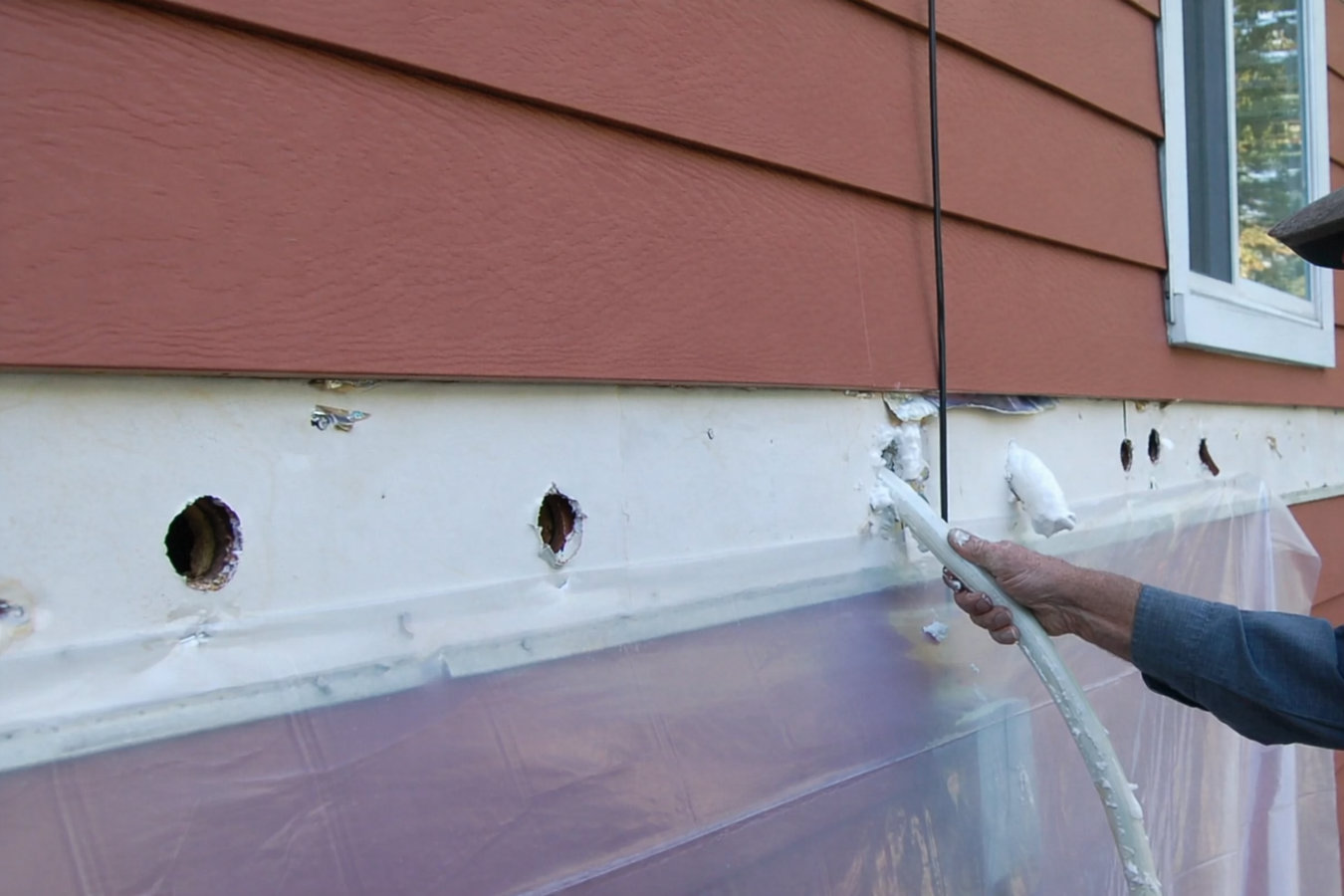
Wall insulation for existing homes is also available - dense-pack blown-in material is injected through small holes in the interior or exterior that are patched afterward, leaving no visible trace. This is the right option for Charleston homeowners who have addressed the attic and crawl space but still feel cold exterior walls in winter. Every job includes a final measurement to confirm the installed depth or coverage matches the agreed specification, and we always provide the documentation needed to claim federal tax credits or Appalachian Power rebates. According to the U.S. Department of Energy, properly air-sealing and insulating a home can cut heating and cooling costs by up to 15 percent - and in a significantly under-insulated older home, the improvement is often higher.
Loose-fill fiberglass or cellulose blown to the right depth across the entire attic floor. The most common retrofit for Charleston homes and generally the most cost-effective starting point.
Spray foam on rim joists and floor joists, or full crawl space encapsulation for homes with persistent moisture. Best for homes near the Kanawha or Elk River with humidity challenges.
Dense-pack blown-in insulation injected into wall cavities through small holes that are patched afterward. Effective for exterior walls with no existing insulation in older Charleston homes.
We seal gaps around pipes, wires, and fixtures first, then add insulation. The two done together deliver significantly better results than insulation alone.
Charleston sits in a climate zone where winter temperatures regularly drop into the 20s along the Kanawha Valley and summers bring sticky, humid heat that lasts for months. Under-insulated homes pay for both. The cost shows up as higher Appalachian Power and Mountaineer Gas bills in winter and higher cooling bills in summer - and in older Charleston homes, the gap between what you are paying and what a properly insulated home would cost is often significant. Homeowners in Kanawha City frequently come to us after years of high bills and discover that their homes have had minimal attic coverage since they were built. A crawl space is another common factor: a large portion of Charleston homes sit on crawl space foundations, and that space - often damp and poorly sealed - is a direct path for cold air and moisture to reach the living areas above.
There are real financial tools available to help Charleston homeowners with this work. The federal government currently offers a tax credit worth up to 30 percent of insulation and air sealing costs through the Inflation Reduction Act, and the West Virginia Weatherization Assistance Program can cover the full cost for income-qualifying households. One important note for owners of older homes - many Charleston houses built before 1950 still have knob-and-tube electrical wiring in the attic, and covering it with insulation without proper electrical clearance is a fire hazard. Homeowners in South Hills and similar established neighborhoods should ask about this during the assessment visit. We flag it every time.
Here is how the process works from your first call to the completed job.
When you call, we ask a few basic questions - your address, the age of your home, and what has been prompting the call. We can usually schedule a visit within one business day for homeowners in the Charleston area.
A contractor visits your home - starting in the attic, then checking the crawl space and any other areas of concern. They measure existing insulation depth, look for air gaps, and flag anything that needs to be addressed first, like moisture or older wiring. This usually takes 30 to 60 minutes.
You receive a written estimate that breaks down what areas will be treated, what materials will be used, and the total cost. A trustworthy contractor will also flag any moisture or wiring issues found during the assessment. Take time to compare two or three estimates before deciding.
The crew sets up blowing equipment and fills the target areas. Before packing up, they measure the final depth or coverage to confirm the job meets the agreed specification. They walk you through what was completed - with photos if useful - and remind you of any follow-up steps like an electrician visit flagged during the assessment.
Free in-home estimate, no obligation. We reply within one business day.
(304) 400-6869Our crews have spent years retrofitting Charleston's older homes, and we put the full scope in writing before we start. Documented work means accountability - a clear record you can hold us to.
Many Charleston homes built before 1950 have knob-and-tube wiring. We identify it during assessment and will not insulate over it without electrical clearance - protecting your home from a hazard that inexperienced crews routinely miss.
Charleston's Kanawha Valley humidity makes crawl space moisture the rule, not the exception. We assess before we insulate, because wet insulation fails within a season and the problem just gets worse underneath.
Federal tax credits and utility rebate programs require specific paperwork. We provide everything you need at the end of the job so you are not scrambling for documentation when you file your taxes or submit a rebate application to Appalachian Power.
The ENERGY STAR program sets standards for insulation work designed to actually deliver the promised energy savings, not just fill a space with material. Contractors who follow those guidelines measure before and after, use the right materials for each application, and treat air sealing as an inseparable part of the job - not an optional add-on. That is how we work, and it is the difference between a job that shows up on your utility bill and one that does not.
For rim joists, crawl space walls, and hard-to-reach cavities, spray foam offers a durable solution that seals and insulates in one application.
Learn moreWhole-home insulation assessment and upgrades that address every area of your Charleston home in a coordinated plan.
Learn moreWinter heating season comes fast in the Kanawha Valley - scheduling your installation now means you are comfortable before the cold hits. Call us or request a free estimate online.