Drafts, cold floors, musty odors, and energy bills that never come down - air leaks cause all of them. We find the gaps and seal them so your home holds its temperature the way it should.
Air sealing in Charleston closes the gaps, cracks, and openings where outside air sneaks in and conditioned air leaks out - most jobs on a single-family home are completed in one day with no need to vacate, and a blower door test before and after confirms the actual improvement. Insulation slows heat transfer through surfaces, but it does not stop air from physically moving through gaps. If you have added insulation and your bills did not drop the way you expected, unsealed gaps are almost certainly why.
Charleston homes - especially in neighborhoods like Kanawha City and the West Side - were built before energy efficiency was a design priority. Decades of settling, pipe work, and small renovations have added new gaps over time. The result is a home that leaks air through points you would never find just by looking around. Combining air sealing with basement insulation or attic air sealing in the same visit addresses the two highest-impact leakage zones together and reduces what you spend on mobilization.
Charleston sits in a river valley where summer humidity regularly climbs above 80 percent and winter temperatures drop well below freezing. Air sealing pays off in both seasons - keeping humid outdoor air out in summer and holding heated indoor air in during the long winter months from October through April.
If your gas or electric bill jumps significantly each November and stays high through March, air leaks are often the reason - not just the cold outside. Charleston winters are cold enough that even moderate leakage adds up fast. If your bills feel out of proportion to the size of your home, it is worth having someone do a proper diagnostic test.
Hold your hand near an electrical outlet on an exterior wall on a cold day. If you feel cool air, that outlet is connected to the outside through gaps in the wall cavity. The same test works near baseboards, window frames, and doors to unheated spaces. In Charleston's older homes, these drafts are extremely common.
If you notice a damp, earthy smell in your first-floor rooms - especially in spring - air is moving up from your crawl space into your living area. Charleston's wet springs and humid summers make this a persistent problem. Once that air starts moving upward through floor gaps, it brings humidity, odors, and sometimes mold spores with it.
If a bedroom at the end of the hall is always too hot in summer and too cold in winter regardless of the thermostat, the problem is usually air leaking at the attic floor or in that room's walls. Attic bypasses - gaps where interior walls meet the attic - are one of the most common leakage points in older Charleston homes.
We provide comprehensive air sealing for homes across Charleston and the surrounding area, always starting with a blower door diagnostic test so the work targets the highest-impact gaps first rather than guessing. After the sealing is done, we run the test again to confirm the leakage rate actually improved - you see the before and after numbers, not just a verbal assurance. We commonly pair air sealing with attic air sealing because the attic floor is almost always the highest-leakage zone in older Charleston homes. We also work alongside basement insulation projects where rim joists and foundation penetrations need to be addressed at the same time.
If your home has a gas furnace, water heater, or other combustion appliance, we include combustion safety testing after sealing as a standard part of the job. Tightening an older home without checking how it affects appliance venting is a safety issue - we do not skip that step. West Virginia also has strong weatherization assistance programs for income-eligible homeowners, and we can help point you toward those resources before you spend anything out of pocket.
Best for homeowners who want the whole picture - blower door test, systematic gap sealing, and a confirmed measurement of the improvement.
Best for homes where the attic floor is the primary leakage source - addresses bypasses and top-plate gaps before insulation is added on top.
Best for homes with musty odors, cold floors, or moisture moving up from under the house through unsealed floor penetrations.
Best for homeowners ready to address both problems at once - sealing gaps first, then insulating surfaces for maximum energy savings.
Charleston sits at the confluence of the Kanawha and Elk rivers, in a valley where humidity can sit above 80 percent in summer and winter temperatures regularly drop to the teens. That combination means your home is under pressure from both directions year-round - humid air trying to get in during summer and cold air pushing through gaps all winter. Many of Charleston's homes are also built over crawl spaces on hillside lots, and those crawl spaces are one of the biggest single sources of air leakage, moisture, and musty odors in the home. The WV Weatherization Assistance Program exists partly because energy burdens are high in this region - income-eligible homeowners may qualify for free or heavily subsidized air sealing through local community action agencies.
We serve Charleston and the surrounding region, including Beckley and Parkersburg, where older housing stock has the same leakage profile as Charleston homes. The Building Performance Institute sets the professional standards for diagnostic air sealing work, including blower door testing and combustion safety - we follow those standards on every job.
We ask a few questions about your home - its age, heating system type, and what problems you have noticed. This helps us come prepared. We reply within one business day and can typically schedule your visit within the week.
A blower door test shows exactly where air is leaking before any work begins. The test takes about an hour. You get a written estimate explaining what we plan to do and what it will cost before you agree to anything - no pressure, no surprises.
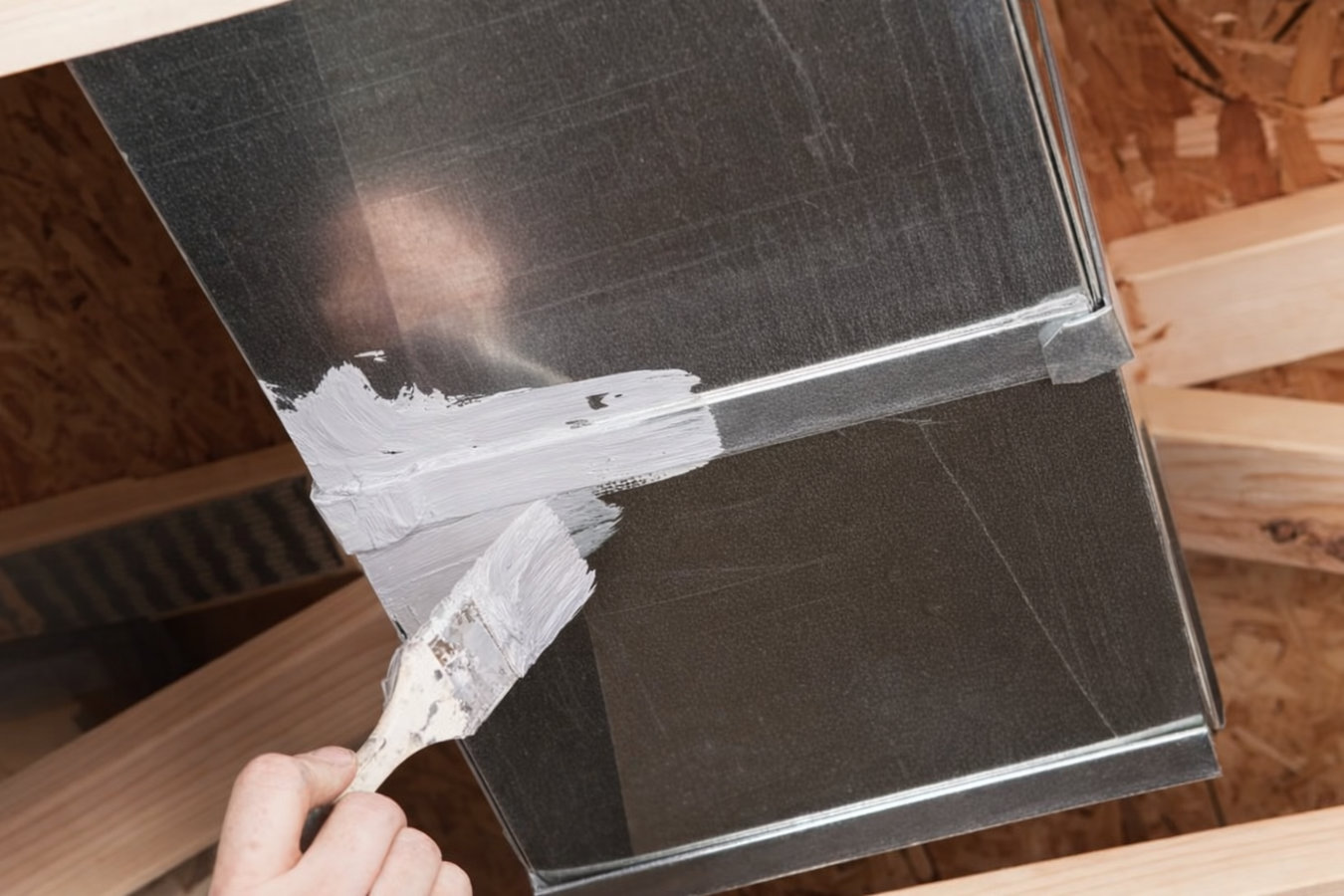
We work through your attic, crawl space, and living areas - applying foam and caulk to seal gaps as we find them. You stay home throughout. If you have gas appliances, we run combustion safety testing after sealing to confirm everything vents properly.
We run the blower door test again and share the before-and-after numbers with you. We walk through what was done and how to reach us with any follow-up questions. Your home is ready to use immediately - no waiting period required.
Blower door diagnostic included. Free estimate. Reply within one business day.
(304) 400-6869We measure your home's air leakage rate before we start and again when we finish. That means you have actual numbers showing the improvement - not just our word that the job was done right. Most contractors skip the follow-up test. We do not.
Tightening a home changes how combustion appliances vent. In Charleston's older housing stock, where many gas furnaces have been in place for years, this matters. We test every gas appliance after sealing as a standard step - not an add-on.
We work across a 12-city service area that includes Charleston and surrounding communities in three states. Local contractors who stay local understand the crawl spaces, hillside lots, and older housing stock that define the region - no guessing on what we will find.
West Virginia's Weatherization Assistance Program may provide free air sealing to income-eligible households. Too many Charleston families qualify and do not know it. We will tell you about these programs before you spend anything - because the right answer for your home matters more to us than the invoice amount.
We bring diagnostic tools, experienced crews, and honest guidance to every job. Learn more about who we are on the About page, or contact us to talk through what your home needs.
Have a question not covered here? Reach out and we will give you a straight answer with no sales pitch.
Insulate your basement walls and rim joists to close one of the biggest heat loss zones in a Charleston home.
Learn moreTarget the attic floor specifically - where bypasses and top-plate gaps drive the most air leakage in older homes.
Learn moreCharleston winters are long. Schedule your free air sealing estimate now and have your home sealed before the next heating bill arrives.