Charleston Insulation Company serves Ironton, OH homeowners with spray foam insulation, blown-in attic insulation, and crawl space insulation - responding within 1 business day, with real experience on the pre-1960 wood-frame homes and hillside lots that define Lawrence County.
Ironton is a small Appalachian Ohio city where most homes were built before 1960, and many date to the late 1800s and early 1900s. Wood-frame construction, Ohio River humidity, steep hillside lots, and documented spring flooding create a combination of heat loss and moisture challenges that most national insulation chains are not set up to handle. The services below address what actually goes wrong in Ironton homes.
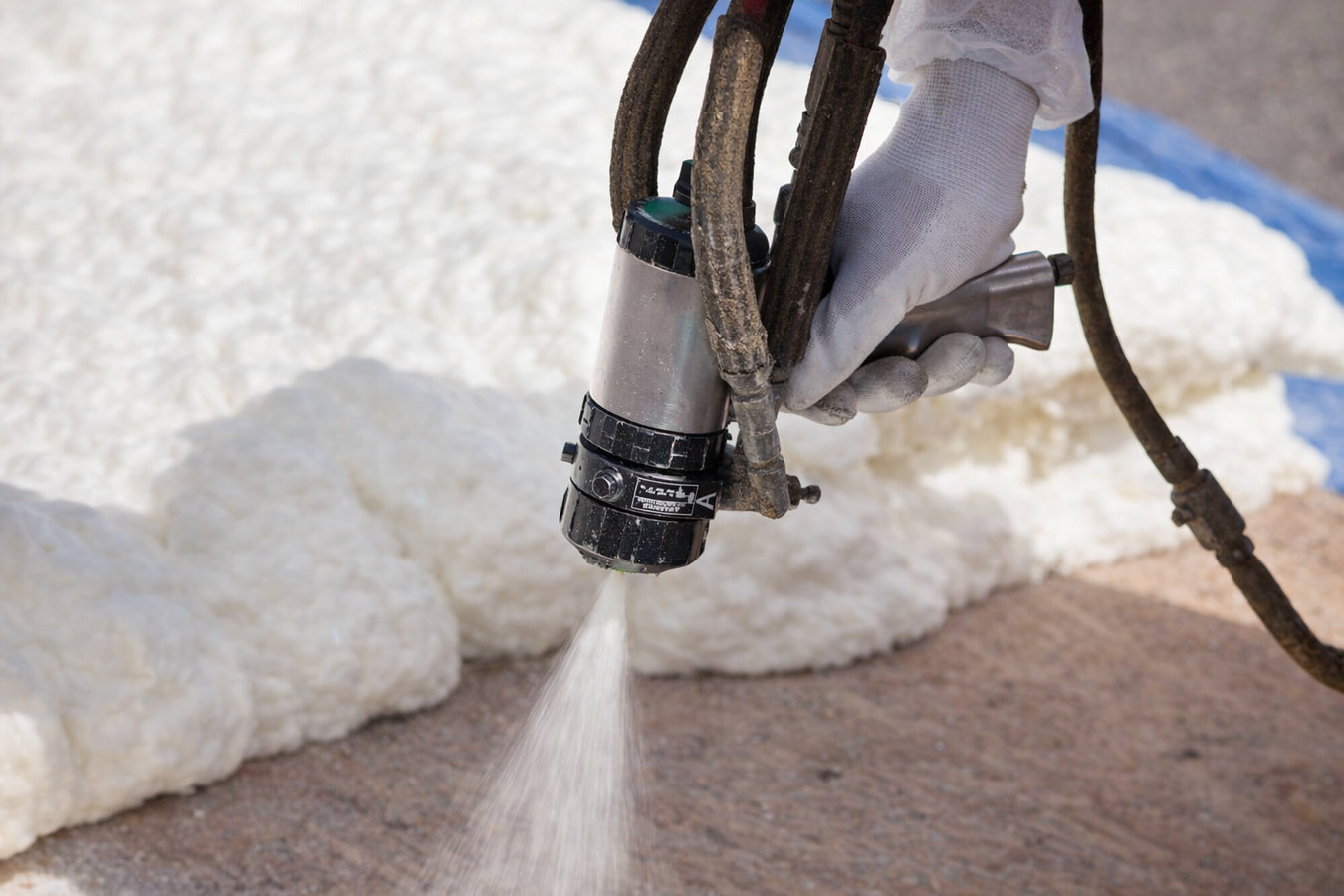
Ironton crawl spaces face two problems at once - cold air from hillside exposure and ground moisture from the Ohio River floodplain. Spray foam is the only insulation material that addresses both in a single application. Our spray foam insulation service applies closed-cell foam to crawl space walls, rim joists, and basement surfaces - sealing air gaps, blocking moisture, and adding real insulation value to spaces that were never insulated when these homes were built.
Parts of Ironton sit in FEMA-designated flood zones, and even homes outside those zones deal with high groundwater every spring. Ground moisture works its way up into unprotected crawl spaces and against floor joists, where it causes rot and mold in wood that has been absorbing and releasing moisture for 80 to 100 years. Crawl space insulation paired with a proper vapor barrier is the most effective way to break that cycle before it becomes structural damage.
Attics in Ironton homes built before 1960 typically have 2 to 4 inches of original insulation that has compressed and degraded over the decades - well below the R-49 needed for Ohio's climate zone. Blown-in cellulose or fiberglass adds coverage without requiring access to every corner of the attic, fills around irregular framing, and can be done in a single visit for most single-family homes. It is the most cost-effective first step for homeowners dealing with high heating bills and drafty rooms.
Ironton receives about 42 inches of rain annually and sees January lows in the mid-20s Fahrenheit - a climate that demands a properly sealed attic to keep heating costs reasonable. When heat escapes through an under-insulated attic, it also warms the roof deck and creates the freeze-thaw cycling that damages older wood-shingle and asphalt roofs more quickly than well-insulated homes. Air sealing before adding depth prevents the heat loss at the source rather than just slowing it down.
Many Ironton homes have crawl spaces with bare dirt floors - original construction from a time when ground moisture was not considered a problem worth addressing at the building stage. A vapor barrier installed over the crawl space floor dramatically reduces the moisture that migrates upward into the structure. In flood-zone properties or homes near the river, a properly lapped and sealed vapor barrier is the foundation of any moisture management plan, and it needs to be done right to hold up through the wet seasons Ironton gets every year.
Ironton is Lawrence County's county seat and the largest city in the area, sitting directly on the Ohio River across from Ashland, Kentucky. With a population around 10,000, it is a small city, but the density of older housing concentrated in a relatively compact area means insulation problems are widespread and well-established. Most of the homes here were built before 1960, and a significant number date to the late 1800s and early 1900s when Ironton was an active industrial and river trade hub. That construction era produced solid, durable wood-frame homes - but they were built without insulation codes, without vapor barriers, and with crawl spaces and attics designed for ventilation, not energy efficiency. The result, 80 to 100 years later, is homes that are losing heat through every surface and dealing with moisture damage that has been accumulating quietly for decades.
The terrain and location compound the challenge. Ironton sits at the base of the Appalachian foothills, so properties range from flat riverfront lots - which are in or near FEMA flood zones and have high groundwater pressure through spring - to steep hillside lots where drainage is poor, roots undermine foundations, and crawl spaces are exposed to cold air on multiple sides. The city receives about 42 inches of rain per year, well above the national average, and spring regularly brings flooding risk along the Ohio. Homes on the hillside streets above downtown face a different set of problems from riverfront homes, but both need attention to insulation and moisture barriers that the original construction never provided.
Our crew works in Ironton and Lawrence County regularly, and the homes we see most often are older wood-frame properties - some with original wood siding, some covered in aluminum or vinyl siding added 30 to 40 years ago over the original construction. Both types have the same issue: the wall cavities were never insulated, and neither was the crawl space. When we open up a crawl space on a pre-1940 Ironton home, we commonly find bare dirt floors, original wood joists that show years of moisture exposure, and either no insulation at all or fiberglass batts that have fallen down from between the joists. For projects in Ironton that require permits, we work with the Lawrence County and City of Ironton building departments.
US 52 runs along the Ohio River through the city and connects Ironton to the broader Lawrence County area. The downtown historic district - a collection of 19th-century commercial and residential buildings listed on the National Register of Historic Places - sits a few blocks from the river, and the surrounding residential streets contain some of the oldest homes in the area. Up on the hillsides above downtown, the neighborhoods are quieter and the lots are steeper. Both zones get service from our crew, and we are familiar with what each type of property tends to need.
We also work across the Ohio River in Ashland, KY, where the housing stock and climate conditions are nearly identical to what we find in Ironton. If you are in the tri-state area along this section of the Ohio and need insulation work, call us - we cover the full region and know the specific challenges homes on both sides of the river face.
Reach us by phone at (304) 400-6869 or through our contact form online. We respond within 1 business day. We will ask a few basic questions - what area of the home you are concerned about and any specific problems you have noticed, like a musty crawl space or drafts - so we arrive prepared.
We walk through the crawl space, attic, and any other areas you want looked at - measuring, checking moisture levels, and noting any rot or mold that needs to be addressed first. The assessment is free and comes with a written estimate. If we find a moisture or pest problem that needs professional attention before insulation work can begin, we will tell you that directly.
Most Ironton residential jobs complete in one day. Blown-in attic work does not require you to leave your home. Spray foam crawl space projects require the space to remain ventilated for 24 hours after application - we will give you specific instructions for your project before we arrive so you can plan the day.
Before we leave, we walk through the finished work with you and hand you written documentation of what was installed and where. In older Ironton homes - many of which have had multiple owners and layers of patchwork repairs over the years - having a clear record of what was done is genuinely useful if you ever sell the home or need to reference the work later.
We serve Ironton, OH and Lawrence County. Free written estimates, no pressure, and a crew that shows up on time.
(304) 400-6869Ironton is the county seat of Lawrence County, Ohio, and sits directly on the Ohio River across from Ashland, Kentucky. With around 10,000 residents, it is a small city with a compact footprint that makes it the commercial and service center for the surrounding rural county. The downtown includes a historic district of 19th-century buildings listed on the National Register of Historic Places - a reminder of the city's former role as a river trade and industrial hub. The Ironton-Russell Bridge connects the city to Russell, Kentucky, and US 52 runs the length of the riverfront, tying Ironton to the broader tri-state area. The housing stock near downtown includes some of the oldest homes in the region, with wood-frame construction from the late 1800s and early 1900s alongside later brick homes built through the mid-20th century.
Above the flat riverfront, Ironton climbs into the Appalachian foothills, where residential streets run up steep grades and wooded lots are common. Homes in these hillside neighborhoods sit on sloped lots with drainage challenges that are different from the moisture problems faced by homes near the river - but both zones share the same pre-1960 building stock and the same absence of modern insulation. Nearby Beckley, WV shares a similar Appalachian setting - high elevation, older housing, and energy costs that make proper insulation one of the best investments a homeowner can make. We serve the full region and understand what homes in this part of Appalachian Ohio actually need.
Expanding foam that creates an airtight seal to maximize energy efficiency in walls, roofs, and crawl spaces.
Learn moreProfessional attic insulation that keeps conditioned air in and outdoor temperatures out all year long.
Learn moreLoose-fill cellulose or fiberglass blown evenly into attics and wall cavities for thorough coverage.
Learn moreWhole-home insulation solutions that improve comfort, lower energy bills, and reduce drafts.
Learn moreSafe removal of old, damaged, or contaminated insulation to prepare your home for a fresh installation.
Learn moreInsulating your crawl space floor and walls to prevent moisture damage and cold floors above.
Learn moreInsulation installed in exterior and interior walls to enhance thermal performance and reduce noise.
Learn moreSealing gaps, cracks, and penetrations throughout the building envelope to stop conditioned air from escaping.
Learn moreBasement wall and rim joist insulation that keeps lower levels warm and dry throughout the year.
Learn moreHigh-density closed-cell spray foam delivering superior R-value and a built-in vapor barrier in one application.
Learn moreLightweight open-cell foam ideal for interior walls and attics where sound dampening is a priority.
Learn moreCommercial-grade insulation for offices, warehouses, and industrial buildings of any size.
Learn moreHeavy-duty polyethylene barriers installed in crawl spaces to block ground moisture and protect structural materials.
Learn moreVapor barrier installation across floors, walls, and ceilings to control moisture in any part of the home.
Learn moreTargeted sealing of attic bypasses, hatch openings, and top plates before or after insulation is added.
Learn moreAdding or upgrading insulation in existing homes without major demolition, using minimally invasive techniques.
Learn moreServing these cities and communities.
Older Ironton homes lose heat every day they go without proper insulation. Get a written estimate before winter - no obligation, no surprises.