Cold floors, drafty rooms, and heating bills that keep climbing are signs your home is not holding heat. We assess every area and fix the problem at the source.
Home insulation in Charleston addresses heat loss through your attic, walls, floors, and crawl space in one coordinated project - most jobs are completed in one to three days depending on how many areas need attention.
Most of Charleston's housing stock was built between the 1920s and the 1970s. Homes from that era were constructed with little or no insulation by today's standards. If your bills are high, your floors are cold, or certain rooms never feel comfortable, the problem usually comes down to where heat is escaping. Home insulation is about finding every gap and fixing it. For homes where you already know the attic is the main issue, our insulation removal service can clear out damaged or ineffective old material before new work goes in.
The federal government recommends specific R-values for Charleston's climate zone - levels that most older homes in this area do not meet. A free in-home assessment is the fastest way to find out exactly where your home stands and what it would take to get there.
If your energy bills rise sharply from November through February and you have not changed your habits, heat is escaping somewhere. Charleston's cold winters put real pressure on under-insulated homes, and the furnace runs longer and harder to compensate. This is one of the clearest signals that insulation is the problem.
In Charleston homes built over crawl spaces, cold floors in winter are a very common complaint. They almost always point to an uninsulated or poorly sealed crawl space below. If you walk across your kitchen or living room in socks and the floor feels cold, the problem is likely coming from underneath, not from your heating system.
If one bedroom is always stuffy in summer and freezing in winter while the rest of the house feels fine, that room likely has a gap in insulation coverage. This is especially common in older Charleston homes where insulation was added piecemeal over the decades - some areas got attention and others did not.
If you bought an older Charleston home and no one has ever looked at the insulation, there is a reasonable chance it is insufficient, settled, or damaged. Insulation in older homes can compress over time, losing effectiveness with no visible sign from inside. A professional assessment costs nothing with most reputable contractors.
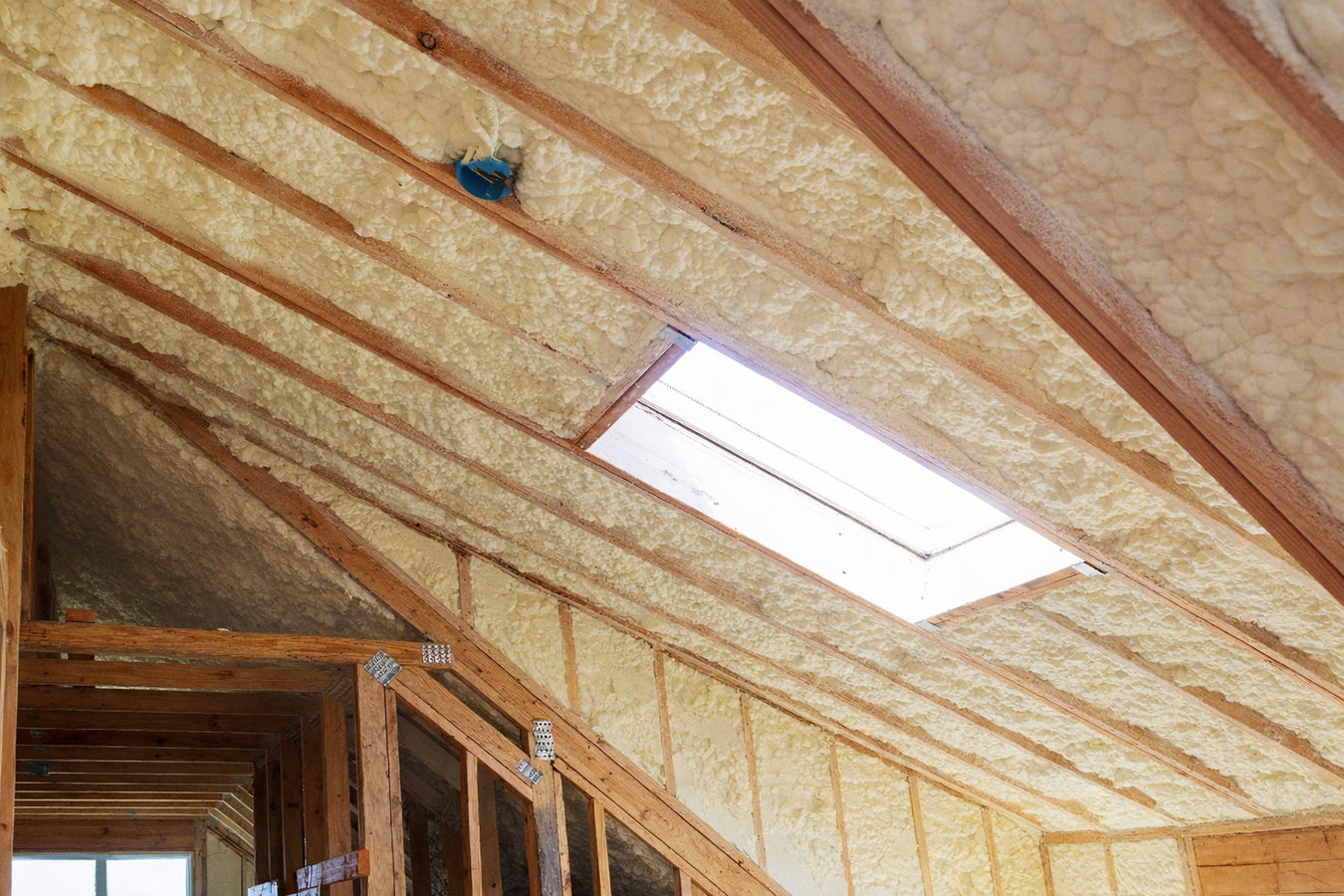
We handle insulation from the top of your home to the bottom. Attic work is the most common starting point - blown-in or batt insulation to reach the R-value recommended for Charleston's climate zone. Crawl space insulation and encapsulation is the second most requested service in this area, because so many Charleston homes sit over open crawl spaces that let cold air seep up through the floors all winter. For homes where existing material has broken down, our retrofit insulation service handles upgrades to finished spaces without major demolition.
Wall insulation, basement insulation, and air sealing are all part of a complete home insulation approach. Every project starts with an in-home assessment so we understand exactly where the heat loss is happening before we recommend anything. We also help homeowners document the work for federal tax credits and utility rebates from Appalachian Power and Mon Power.
Suits homes where the attic is the primary source of heat loss, using blown-in or batt material to reach recommended R-values.
Best for Charleston homes over open crawl spaces where cold floors and moisture intrusion are ongoing problems.
Suits older homes with uninsulated exterior walls, using dense-pack blown-in or batt material in wall cavities.
For homes with unfinished or partially finished basements that are a significant source of cold and heat loss.
Done before any insulation work, sealing gaps and penetrations in the building envelope where conditioned air escapes.
Suits finished homes where insulation needs to be added or upgraded without tearing out existing walls or ceilings.
Charleston's climate is cold-humid. Winters run from November through March with temperatures that regularly drop below freezing. Summers are hot and muggy. That combination means your HVAC system is working hard for most of the year - and if your home is not holding conditioned air well, you pay for it every month. The city also has a high share of homes built before 1980, many of them in neighborhoods like Kanawha City, South Hills, and the West Side, where insulation was minimal or nonexistent when the house went up.
The state has historically offered weatherization assistance for income-qualifying households through the WV Office of Energy, and federal energy efficiency tax credits are currently available for qualifying insulation upgrades. We serve homeowners throughout the region, including Parkersburg and Morgantown, where older housing stock and cold winters create the same demand for proper insulation that we see across Charleston.
We will respond within 1 business day to schedule your free in-home assessment. No commitment required. We ask a few basic questions up front so we come prepared for what your home may need.
We look at your attic, crawl space, and any other areas that could be losing heat. We measure what is there, check for moisture issues or air gaps, and give you a written estimate that breaks down the work and the cost. This visit usually takes 30 to 60 minutes.
Most attic jobs finish in a single day. Crawl space work takes one to two days. Air sealing happens before insulation goes in. The crew protects your living areas with drop cloths and works in spaces you do not use every day.
Before leaving, we walk you through the finished work and give you documentation of what was installed. Keep that paperwork - it is what you will need to claim a federal tax credit or utility rebate, and it is a useful record for when you sell the home.
No obligation. We assess your attic, crawl space, and walls and give you a written quote. We reply within 1 business day.
(304) 400-6869We have spent years working on Charleston's older homes and the moisture patterns specific to the Kanawha Valley. You get a free written estimate up front and documented work when we finish, so you know exactly what the job includes before anyone starts.
Some insulation work - particularly crawl space encapsulation and projects tied to renovations - requires a permit through the City of Charleston's Building and Inspections Division. We handle the permit process for you, which means your work is on record and will not create problems when you sell your home.
Appalachian Power and Mon Power both serve the Charleston area and have offered residential insulation rebate programs. We know the documentation process and help you get the paperwork right so the rebate actually goes through. The Building Performance Institute at
Many Charleston homes sit over crawl spaces, and the Kanawha Valley's humidity and seasonal flooding history means moisture management is part of every crawl space job. We have worked on these homes and know the local soil and moisture conditions that affect how insulation performs in this area.
We know Charleston's housing stock - from the brick homes near the river in Kanawha City to the larger houses up in South Hills - and we know what each type of construction tends to need. That local knowledge is what separates a contractor who treats every job the same from one who gives you advice that actually fits your home.
Federal tax credit details for insulation upgrades are available at IRS.gov. Utility rebate information for Charleston homeowners is available through Appalachian Power.
Remove old, damaged, or contaminated insulation from your attic or crawl space before new material goes in.
Learn moreAdd insulation to finished spaces in your existing home without tearing out walls or ceilings.
Learn moreFederal tax credits and utility rebates are available now - get your project in before program terms change and the heating season arrives.