Cold floors and high heating bills are not just uncomfortable - they are signs your crawl space is working against you. We fix that with proper insulation and moisture control built for Charleston homes.
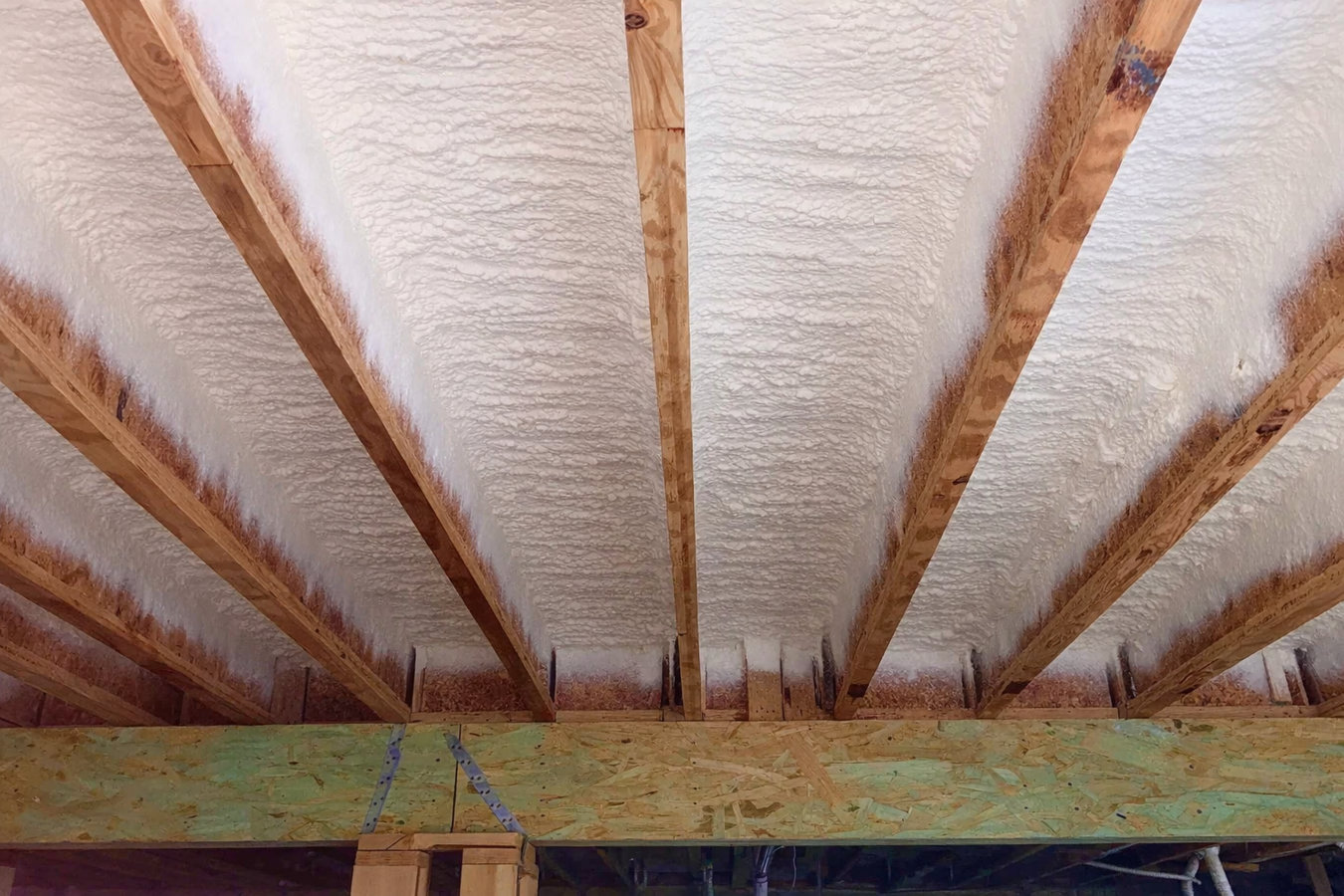
Crawl space insulation in Charleston acts as a thermal blanket between the cold ground beneath your home and the living areas above - most jobs take one to two days, and homeowners typically notice warmer floors and lower heating bills within the first cold stretch after installation.
Without insulation in the crawl space, the floors in your kitchen, living room, and bedrooms pull cold in from below, and your heating system works much harder to compensate. This is a common problem in Charleston's older neighborhoods, where homes were built with crawl spaces and often never had proper insulation installed or updated. Many homeowners who come to us have already addressed their attic but still feel a cold floor - and that is because the crawl space was the missing piece. If you suspect old or failing insulation is the issue, pairing this service with wall insulation can address heat loss on multiple sides of the home at once.
Moisture management is always part of this conversation in Charleston. Insulating over a wet or damp crawl space just traps the problem. We assess moisture conditions first and address them before a single piece of insulation goes in.
Most signs are felt before they are seen. Here is what to watch for in a Charleston home.
If you walk across your kitchen or living room in winter socks and the floor feels genuinely uncomfortable, that is a strong sign your crawl space has little or no effective insulation. Charleston winters are cold enough that an uninsulated crawl space allows outdoor temperatures to pull heat right out of your floor system. This is the most common complaint homeowners here describe, and it is one of the most fixable.
If your gas or electric bill has been climbing over the past few winters and nothing obvious has changed, your crawl space may be the culprit. Heat escaping through an uninsulated floor forces your furnace to run longer to maintain the same temperature. You will not see the problem, but you will feel it in your utility bills every month.
A persistent musty or earthy odor - particularly in rooms on the ground floor or near the crawl space access - often signals that moisture is building up below your home. In Charleston's humid climate, unprotected crawl spaces can develop mold or mildew on wood surfaces, and that smell travels upward through gaps in the floor. If you notice it, it is worth having someone look sooner rather than later.
Homes built in Charleston's established neighborhoods before 1980 were often constructed with minimal crawl space insulation by today's standards, and whatever was installed decades ago may have sagged, deteriorated, or been damaged by pests. If no one has looked under your home in years, there is a real chance the insulation needs attention - or that there is no insulation at all.
We offer both floor joist insulation - the traditional approach that works well in drier crawl spaces - and conditioned crawl space conversions, where the walls and floor of the crawl space are sealed and insulated to create a controlled environment. Charleston's humid summers make the conditioned approach a strong choice for many homes, because sealing the space eliminates the vented air that brings moisture in all season long. We also install crawl space vapor barriers as part of the same project when the ground surface needs coverage before insulation can go in.
For homes near the Kanawha or Elk River corridors that have seen flooding or persistent moisture, we include a thorough moisture and structural assessment before installation. Homes in those areas sometimes have residual damage from past flood events - deteriorated vapor barriers, compromised wood framing, or standing moisture - that needs to be addressed first. After the crawl space is ready, we can coordinate with our wall insulation team if you want to address multiple parts of the home's envelope in the same project.
The traditional approach - batt or spray foam installed between the joists above the crawl space. Works well for homes with dry, well-vented crawl spaces.
Walls and floor of the crawl space are sealed and insulated, turning it into a controlled environment. Best suited for Charleston's humid summers where vented air brings moisture in.
A polyethylene liner covers the ground surface and seals at seams and edges. Often the first step before insulation in any damp Charleston crawl space.
For crawl spaces near the Kanawha or Elk River with flood history, we assess and address moisture damage before any new insulation goes in.
Charleston sits in a river valley where hot, humid summers and cold, wet winters put crawl spaces under constant moisture stress year-round. That humidity seeps into unprotected crawl spaces, soaking the soil, condensing on pipes, and eventually working its way into floor framing. For homeowners here, moisture management is not optional - it is the first conversation any reputable contractor should have with you before a single piece of insulation goes in. A large share of Charleston's residential neighborhoods, including South Hills, Kanawha City, and Elk City, feature homes built between the 1920s and 1970s - homes that were almost universally built with crawl spaces and many of which have never had insulation updated. West Virginia winters regularly push temperatures into the teens, and homeowners in older homes here describe cold floors from November through March as one of their biggest comfort complaints. The U.S. Department of Energy estimates that air sealing and insulating can cut energy bills meaningfully in homes like these.
We work across the full Charleston metro, including homes in Beckley, WV and Huntington, WV where older crawl spaces face the same climate pressures. If your home is near the Kanawha or Elk River and has flood history, let us know when you call - we know what to look for and how to handle crawl spaces that have seen water. The FEMA Flood Map Service Center is a useful tool for checking whether your property falls in a designated flood zone before scheduling an estimate.
Here is the straightforward process from your first call to a finished, inspected crawl space.
When you call, we ask a few basic questions - your address, approximate home size, and any symptoms you have noticed like cold floors or musty odors. Most Charleston-area homeowners get a visit scheduled within a few business days.
We physically inspect the space - checking its size, the condition of any existing insulation, moisture levels, and the state of the vapor barrier. This visit usually takes 30 to 60 minutes and is your best chance to ask questions. We will tell you honestly if moisture remediation needs to happen before insulation work begins.
You receive a written estimate that outlines exactly what work will be done, what materials will be used, and the total cost. Every line item is explained before you approve anything - no surprises when the job is done.
Our crew works inside the crawl space while your daily routine inside the house goes on normally. Most standard jobs finish in one day. Before we leave, we walk you through what was completed - or show you photos - so you can see the finished work.
Experienced local crews. Moisture check included. Written quote before any work starts. Reply within 1 business day.
(304) 400-6869Our crews have spent years working under Charleston homes, and we put the full scope in writing before we start. You get documented work and a clear record of the materials and coverage, which matters when someone is working somewhere you cannot easily see.
Charleston's river valley location makes crawl space moisture the rule, not the exception. We assess before we insulate - because covering a wet crawl space with fresh insulation just traps the problem and creates new ones.
Our first jobs were in Charleston neighborhoods, and we have worked in older homes across Kanawha City, South Hills, and the East End. We know what local crawl spaces look like and what problems they tend to have.
Every estimate is detailed and in writing before any work begins. We explain what is included, what the timeline looks like, and what happens if we find something unexpected. You stay in control from start to finish.
We know that hiring a contractor in Charleston can feel like a leap of faith, especially for work you cannot easily see once it is done. Our approach is simple: inspect honestly, quote clearly, and show you the finished work before we leave. You get a free written estimate up front and documentation of the materials and coverage we install, so you can see exactly what was done before we ever leave your home.
Have a question not answered here? Call us at (304) 400-6869 or send us a message. We reply within 1 business day.
Pair crawl space work with wall insulation to address heat loss on multiple fronts in Charleston's older homes.
Learn moreA proper ground liner is the foundation of any crawl space insulation job - critical in Charleston's humid climate.
Learn moreCharleston winters don't wait - lock in your installation date before the cold sets in and the schedule fills up.