Charleston Insulation Company serves Ashland, KY homeowners with spray foam insulation, blown-in insulation, and crawl space insulation - responding to requests within 1 business day and backed by real experience working on the older brick and wood-frame homes throughout Boyd County.
Ashland is a mid-sized Ohio River city where a large share of homes were built before 1970 - many before 1950. That means thin original insulation, wood-frame construction that has shifted and cracked over the decades, and crawl spaces that have been pulling in river-valley humidity for generations. The services below address the specific problems those homes develop over time.
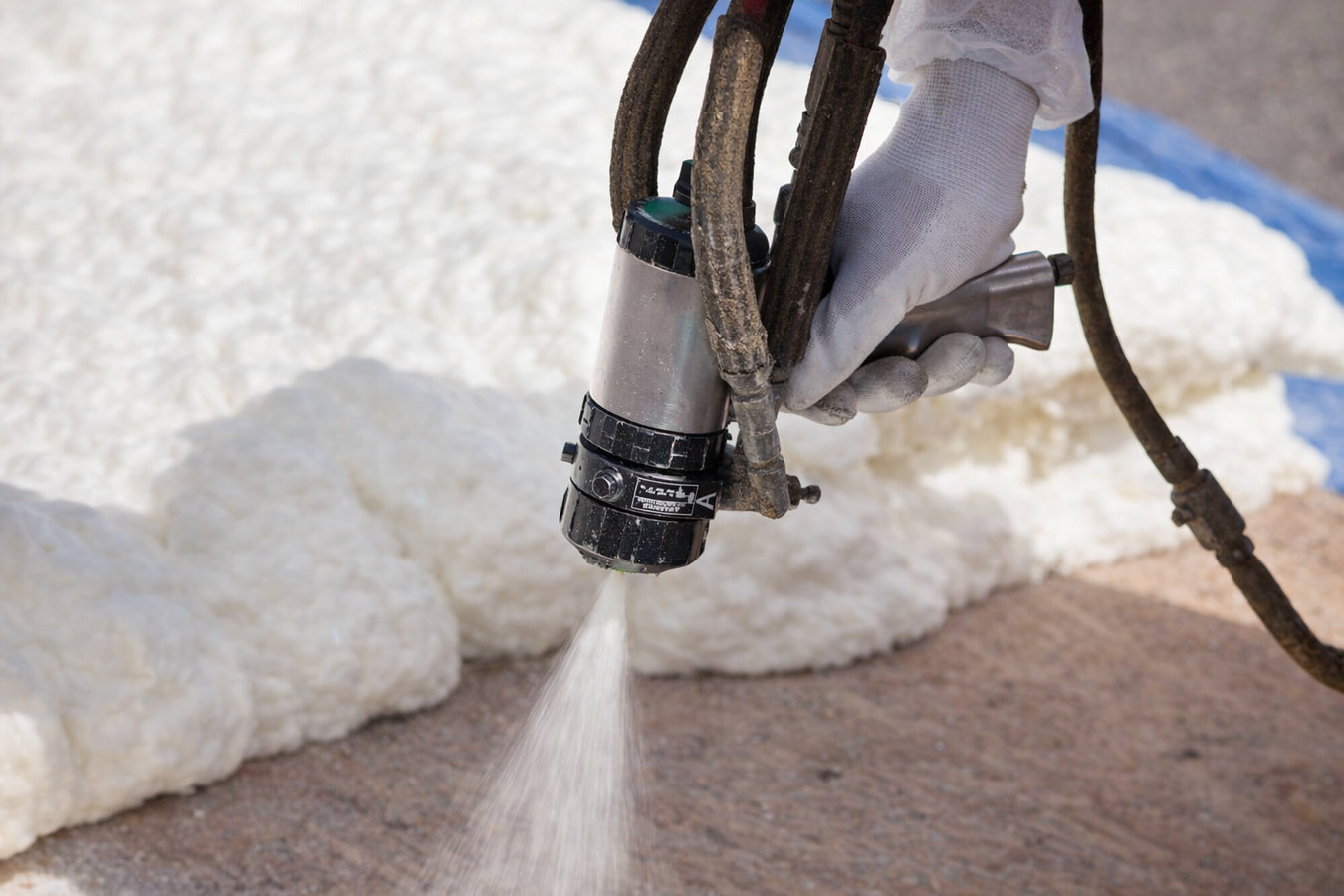
Ashland crawl spaces and basement rim joists face constant moisture pressure from the Ohio River valley climate, and spray foam is one of the few materials that seals and insulates in a single application. Our spray foam insulation service is particularly effective in older Ashland homes where irregular framing, gaps around pipes, and crumbling mortar in stone foundations make batt insulation a poor fit. Closed-cell foam conforms to all of it and creates a moisture barrier at the same time.
Most Ashland attics have original insulation that has compressed down to 2 to 4 inches over the decades - well below the R-49 target for this climate zone. Blown-in cellulose or fiberglass fills the attic evenly without disturbing the existing material, and it is the most cost-effective way to bring an older Ashland home up to a standard where heating bills actually come down. The crew can usually complete an average attic in a single visit.
Ashland sits on the Ohio River at the point where Kentucky, Ohio, and West Virginia meet, and that river-valley location means ground moisture works upward into crawl spaces year-round. An uninsulated crawl space lets that moisture reach the floor joists and subfloor, where it causes wood rot and mold over time - quietly, where you cannot see it. Crawl space insulation combined with a vapor barrier cuts off that moisture path before it becomes a structural problem.
Ashland winters send January lows into the mid-20s Fahrenheit, and homes with thin attic insulation work their furnaces far harder than they need to. We air-seal the attic floor first - plugging the gaps around light fixtures, plumbing chases, and framing that are the biggest source of heat loss - then bring the insulation depth up to the level this climate zone requires. Most Ashland homeowners notice a change in their heating bills within the first full billing cycle.
In Ashland homes built 60 to 100 years ago, the house has had decades to settle and open up small gaps throughout the structure - around pipes, wiring, top plates, and at the junction between the walls and the foundation. Adding insulation without sealing those gaps first is like filling a bucket that still has holes. Air sealing those pathways is the step that makes insulation upgrades in older Ashland homes actually hold their performance over time.
Ashland is a city with deep roots in Boyd County, Kentucky, and its housing stock reflects generations of working-class homeownership. A large share of homes here were built between 1900 and 1970 - the era before modern insulation codes existed. Many of those homes were built with brick exteriors and wood framing, which is durable construction that holds up well, but it was never designed with energy efficiency in mind. The original insulation in most of these homes - if there was any to begin with - has compressed, absorbed moisture, or simply deteriorated to the point where it is providing little practical benefit. Adding to this, Ashland has a notable rental housing population, with around 40 to 45 percent of units renter-occupied, meaning many properties have had deferred maintenance building up across multiple tenancies without a single owner prioritizing upgrades.
The climate here applies steady pressure to homes year-round. Ashland sits on the Ohio River in northeastern Kentucky, and that location means hot, humid summers - with July highs in the upper 80s Fahrenheit and humidity that pushes into crawl spaces and attics through every gap in the building envelope. Winters bring regular freeze-thaw cycles, with temperatures in the 20s and 30s through January and February, that crack mortar, open up foundation gaps, and drive cold air into any uninsulated space. Spring flooding and heavy rains add ground moisture pressure to the mix. A home that was built with single-pane windows, minimal wall insulation, and a dirt-floor crawl space is fighting all of those forces at once - and losing ground a little more each year.
Our crew works regularly on homes throughout Ashland and Boyd County, and the pattern we see most often is a pre-1960 wood-frame or brick house that has had patchy updates over the years but has never had a systematic insulation upgrade. These homes have a mix of original and replacement materials layered on top of each other, and working through that layering requires a contractor who can read what they find and adapt - not one who shows up expecting every job to look the same. For projects that require a permit, we work with the City of Ashland building department and handle the paperwork.
Ashland runs along the Ohio River with US 23 as the main north-south corridor and US 60 connecting the city eastward toward the state line. Many of the older neighborhoods are clustered near downtown and Central Park, with brick bungalows and two-story wood-frame houses on compact in-town lots. The hillside neighborhoods above the main commercial corridor have sloped lots that require more planning on crawl space and foundation jobs. The Paramount Arts Center in downtown Ashland anchors a neighborhood of historic homes that are some of the oldest in the city - and they need the most attention when it comes to energy efficiency.
We also serve homeowners in Ironton, OH directly across the river, where the housing stock and climate conditions are closely related to what we see in Ashland. If you are in the Ashland metro area and are not sure whether we serve your specific address, call us - we cover the full tri-state area along this stretch of the Ohio River.
Reach us by phone at (304) 400-6869 or through the contact form and we respond within 1 business day. We will ask a few quick questions - what area of the home you are concerned about, whether you have noticed drafts or high bills - so we arrive prepared.
We walk through your attic, crawl space, and any other areas you want looked at - measuring, checking what is already in place, and noting any moisture or mold issues that need to be addressed before insulation goes in. The assessment is free and comes with a written estimate, not a rough range.
Most Ashland residential jobs are completed in a single day. We handle all the prep work - protective coverings, equipment setup - and you do not need to leave your home for blown-in attic work. Spray foam projects require you and pets to be out for 24 hours after application while the foam cures.
Before we leave, we walk you through the finished work so you can see exactly what was done and where. You receive written documentation of materials and coverage, which is useful if you ever sell the home or need to reference the work for a warranty or insurance claim.
We serve Ashland, KY and the surrounding Boyd County area. Free estimates, written quotes, and a crew that actually shows up on time.
(304) 400-6869Ashland is Boyd County's largest city and sits at the corner where Kentucky, Ohio, and West Virginia meet along the Ohio River. With a population of around 20,000, it is a mid-sized city with a compact, walkable downtown and established residential neighborhoods spreading from the riverfront up into the surrounding hills. Downtown Ashland centers on Central Park, a landmark green space that has anchored the city for over a century. The surrounding blocks are lined with brick homes, many of them bungalows and two-story wood-frame houses built between 1910 and 1950. Ashland's industrial heritage as a steel and manufacturing town - most notably through AK Steel, now Cleveland-Cliffs - shaped the city's character and explains why many longtime residents have owned their homes for decades.
The housing stock here is a mix of owner-occupied homes and rentals, with roughly 40 to 45 percent of units renter-occupied. Homes range from modest two-bedroom in-town properties on compact lots to larger brick residences up in the hillside neighborhoods above the main commercial corridor. Most of the older homes have brick exteriors - a hallmark of northeastern Kentucky construction through the mid-20th century - but the wall cavities and crawl spaces behind and below those brick faces are often uninsulated or working with materials installed 50 or 60 years ago. Nearby Huntington, WV just across the state line has a very similar building profile, and we serve both cities regularly.
Expanding foam that creates an airtight seal to maximize energy efficiency in walls, roofs, and crawl spaces.
Learn moreProfessional attic insulation that keeps conditioned air in and outdoor temperatures out all year long.
Learn moreLoose-fill cellulose or fiberglass blown evenly into attics and wall cavities for thorough coverage.
Learn moreWhole-home insulation solutions that improve comfort, lower energy bills, and reduce drafts.
Learn moreSafe removal of old, damaged, or contaminated insulation to prepare your home for a fresh installation.
Learn moreInsulating your crawl space floor and walls to prevent moisture damage and cold floors above.
Learn moreInsulation installed in exterior and interior walls to enhance thermal performance and reduce noise.
Learn moreSealing gaps, cracks, and penetrations throughout the building envelope to stop conditioned air from escaping.
Learn moreBasement wall and rim joist insulation that keeps lower levels warm and dry throughout the year.
Learn moreHigh-density closed-cell spray foam delivering superior R-value and a built-in vapor barrier in one application.
Learn moreLightweight open-cell foam ideal for interior walls and attics where sound dampening is a priority.
Learn moreCommercial-grade insulation for offices, warehouses, and industrial buildings of any size.
Learn moreHeavy-duty polyethylene barriers installed in crawl spaces to block ground moisture and protect structural materials.
Learn moreVapor barrier installation across floors, walls, and ceilings to control moisture in any part of the home.
Learn moreTargeted sealing of attic bypasses, hatch openings, and top plates before or after insulation is added.
Learn moreAdding or upgrading insulation in existing homes without major demolition, using minimally invasive techniques.
Learn moreServing these cities and communities.
Older homes in Ashland lose heat every single day they go without proper insulation. The sooner you call, the sooner your bills come down.