Hidden gaps in your attic floor leak conditioned air all year long. We find and seal them so your heating and cooling system can finally do its job - and your monthly bills reflect it.
Attic air sealing in Charleston closes the gaps, cracks, and openings in your attic floor that let conditioned air escape and outside air sneak in - most jobs take one full day and homeowners notice steadier room temperatures and lower energy bills within the first heating or cooling season.
Most people assume adding more insulation is the fix for a drafty, expensive-to-heat home. But insulation slows heat from passing through surfaces - it cannot stop air from moving through gaps around pipes, wires, and light fixtures. Those gaps are the real problem, and they are invisible from inside your home. In Charleston, where hot humid summers and cold winters put constant pressure on your energy system, sealing the attic floor is the step that makes everything else work properly. After sealing, pairing the project with retrofit insulation locks in the full benefit.
Homes in Charleston built before 1980 - across neighborhoods like Kanawha City, the West Side, and South Hills - were not built with air sealing in mind, and decades of plumbing updates, electrical work, and renovations have only added new openings. If your home is in that age range, the leaks are almost certainly there, whether or not you can feel them yet.
Most signs show up on your utility bill or in the feel of your home before you ever see a visible gap.
If your Appalachian Power or Mountaineer Gas bill feels out of proportion to your square footage - especially compared to neighbors with similar homes - air leakage is one of the most common culprits. Charleston's winters are cold enough and summers humid enough that an unsealed attic can add hundreds of dollars a year to your utility costs. This is often the first sign homeowners notice, even before they feel any drafts.
If one bedroom is always too hot in summer or too cold in winter no matter how you adjust the thermostat, air moving through gaps in the ceiling above that room is often the cause. In Charleston's older neighborhoods, this is especially common in top-floor rooms directly below the attic. The problem usually is not your heating or cooling system - it is that conditioned air is escaping before it can reach every corner of your home.
Stand near your attic access door or pull-down stairs on a cold day and hold your hand near the edges. If you feel cold air coming through, or if you can see light around the frame, you have a significant air leak right there - and there are almost certainly more inside the attic. This is one of the easiest checks a homeowner can do without any tools.
Homes built in Charleston's established neighborhoods before 1980 were not designed to be airtight. If your home is in that age range and has never had a professional check the attic, gaps around plumbing, wiring, and light fixtures have likely been there for decades. An energy audit - which many contractors offer for free or low cost - will confirm whether air sealing is needed.
Our standard attic air sealing service starts at the attic floor - the ceiling of your living space - where we locate and seal every penetration: plumbing pipes, electrical wires, recessed light canisters, HVAC chases, and the gaps where interior walls meet the ceiling framing. We use spray foam and caulk applied to fixed surfaces, which means the seals are designed to last for decades without needing to be redone. Attic hatch covers and pull-down stair frames are among the worst leakers in older homes and are always part of our scope. For many Charleston homeowners, this work pairs naturally with whole-home air sealing that addresses rim joists, basement penetrations, and other leakage points beyond the attic.
We always seal before we insulate - in that order, every time. If your attic needs both services, we handle them in one visit so the work is done correctly and efficiently. A job that only adds insulation on top of unsealed gaps leaves most of the benefit on the table. We also provide the documentation you need to claim any applicable federal tax credits or Appalachian Power rebates when the job is complete.
Foam and caulk applied to every penetration in your attic floor - the ceiling of your living space. The core service for stopping drafts and improving energy efficiency in Charleston homes.
The right order matters. We seal gaps first, then add or replace insulation - so your new insulation actually performs the way it should instead of sitting on top of open leaks.
Attic access points are often the worst offenders. Weatherstripping and insulated covers are a fast, cost-effective upgrade paired with any attic air sealing project.
For homeowners who need both services, we handle air sealing and insulation in one visit - the most efficient approach for attics that have never been properly treated.
Charleston sits in a climate that tests your home from both directions - cold winters that regularly drop below freezing along the Kanawha Valley and hot, sticky summers with humidity that stays high for months. That means your attic is working against you in July and again in January, and any gap in the air barrier costs you in both directions. The U.S. Department of Energy estimates that properly air sealing and insulating a home can cut heating and cooling costs by 10 to 20 percent - and in a home with significant existing leakage, the savings can be higher. Charleston homes often fall into that category. Homeowners in Kanawha City especially notice the impact, where streets full of pre-1960 homes have attics that have never been properly sealed.
Charleston's consistently high humidity adds a second dimension to this work. An unsealed attic floor allows warm, moist indoor air to rise into the attic during winter and condense against cooler surfaces - a recipe for mold and wood rot that builds quietly over years. West Virginia also has programs that can help offset the cost: the WV DHHR Weatherization Assistance Program helps income-qualifying households cover energy efficiency work, and Appalachian Power offers rebates for qualifying improvements. Homeowners in South Hills with larger homes built in the 1960s and 1970s often find the combination of tax credits and rebates makes the project significantly more affordable than the initial quote suggests.
Here is how the process works from your first call to the completed job.
When you call, we ask a few quick questions - your address, the age of your home, and what has been prompting the call. We can usually schedule a visit within one business day for Charleston-area homes.
A technician visits your home and inspects the attic - checking current insulation, visible gaps around pipes, wires, and fixtures, and how accessible the space is. This takes 30 to 60 minutes, and we walk you through what we find before quoting anything.
You receive a written estimate with a line-by-line breakdown of what will be done, what materials will be used, and the total cost. This is the right time to ask about federal tax credits and Appalachian Power rebates that may apply to your project.
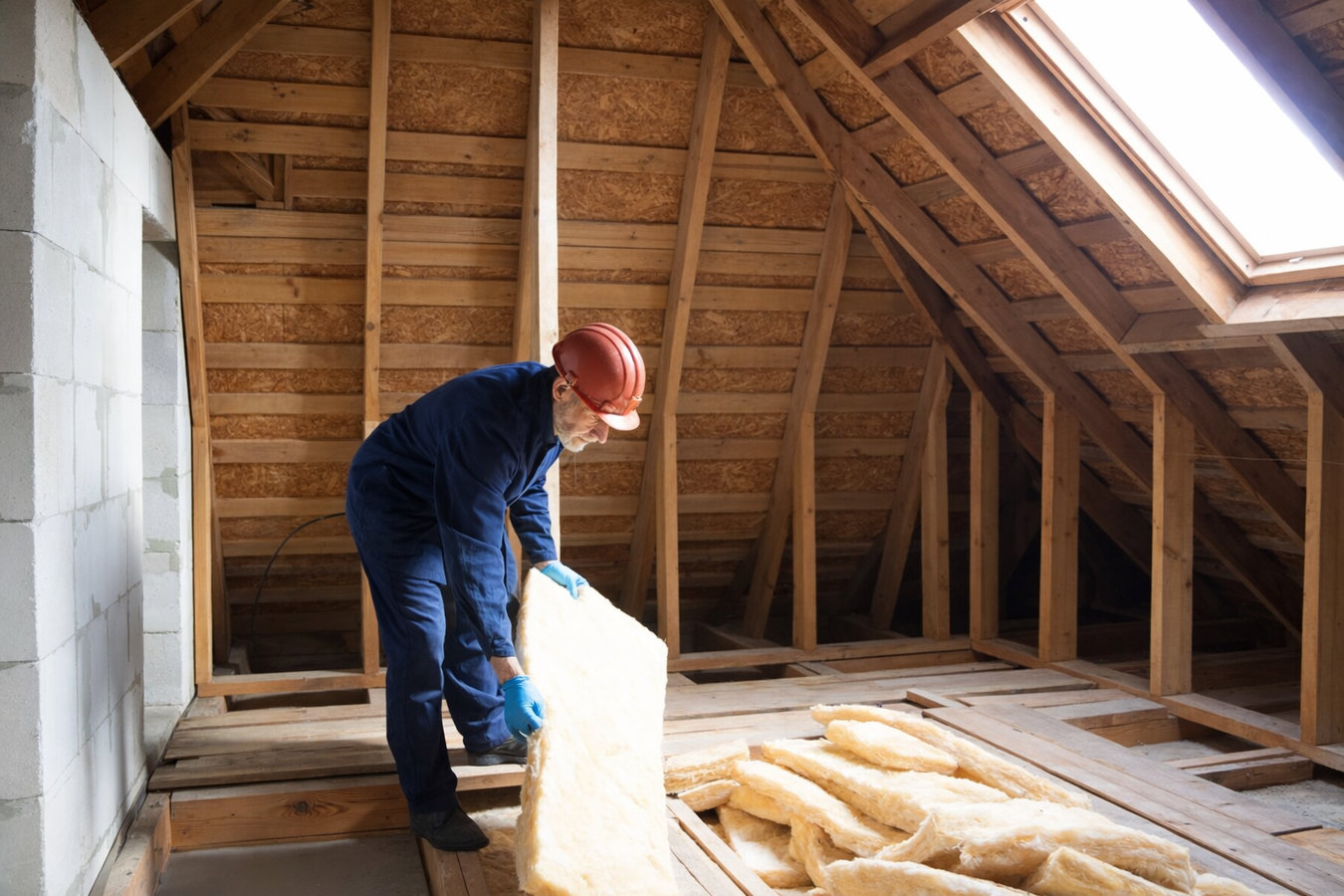
The crew works entirely in the attic, moving insulation aside as needed to reach the floor. Most jobs finish in one day. Before leaving, we walk you through the completed work - ideally with photos of sealed areas - and provide documentation for any credits or rebates you plan to claim.
Free estimate, no obligation. We reply within one business day.
(304) 400-6869Our crews have spent years sealing attics in Charleston's older homes, and we put the full scope in writing before we start. You get documented work and a clear record of the materials and coverage on every job.
We never add insulation on top of unsealed gaps. That order matters because insulation alone cannot stop air from moving through openings - sealing first is what makes the insulation actually work.
Our first jobs were in Charleston neighborhoods, and we have worked in older homes across Kanawha City, South Hills, and the East End. We know what local attics look like and what problems they tend to hide.
Federal tax credits and utility rebate programs require specific paperwork. We provide everything you need at the end of the job - so you are not scrambling for documentation when you file your taxes or submit a rebate application.
The Building Performance Institute sets the national standard for home energy performance work - contractors who follow BPI guidelines understand how air sealing, insulation, and ventilation interact as a system, not just individual services. That whole-system understanding is what separates a job that actually lowers your bills from one that just fills a space with material.
After the attic is sealed, adding or upgrading insulation is the natural next step to lock in the energy savings.
Learn moreWhole-home air sealing that covers rim joists, basement penetrations, and other leakage points beyond the attic.
Learn moreBeat the next heating season - crews book up fast once temperatures drop in the Kanawha Valley. Call now or submit your information online for a free estimate.