Your attic is where a large share of your heating and cooling escapes. Charleston Insulation Company installs blown-in and batt insulation, seals air gaps first, and removes old damaged material when needed. Experienced local crews. Free written estimates.
Attic insulation in Charleston acts like a thick blanket between your living space and the outdoors - keeping warmth inside in winter and blocking heat from radiating down through your ceiling in summer. Most jobs on existing homes are completed in a single day.
Without enough attic insulation, your heating and cooling system works harder than it should to keep up - and you pay for it every month. The ENERGY STAR program recommends attics in West Virginia's climate zone have insulation equivalent to about 13 to 15 inches of blown-in fiberglass or cellulose. Many older Charleston homes have a fraction of that - or none at all. If your upstairs rooms run hot in summer and cold in winter, that is where to start looking. Proper attic coverage pairs directly with blown-in insulation for the most complete result on older attic floors.
One detail that separates good attic work from mediocre work: sealing air gaps before adding insulation. Gaps around light fixtures, plumbing pipes, and the tops of interior walls let conditioned air escape no matter how thick the insulation on top is. A contractor who skips that step is leaving the most impactful part of the job undone.
These are signals you can check yourself. If one or more apply to your home, a free assessment is the right next step.
If your utility bills have gone up noticeably over recent winters or summers but nothing else has changed, your attic is one of the first places to look. Charleston's climate swings hard between seasons, and an under-insulated attic makes your HVAC system run longer and harder to compensate. This is one of the most common and most overlooked causes of high energy costs in older Charleston homes.
If the rooms closest to your attic are consistently harder to keep comfortable than the rest of your house, heat is moving through your ceiling when it should not be. In Charleston's humid summers, this often shows up as a second floor that feels stuffy and warm even when the air conditioning is running. The attic is acting like a heat sink.
If you can look into your attic and see the wooden framing members sticking up above the insulation level, you do not have enough. Proper coverage should bury those joists completely. This is something you can check yourself with a flashlight - you do not need a contractor to tell you if the insulation is visibly thin or patchy.
A large portion of Charleston's housing stock dates to the mid-20th century. Many of those homes were insulated to standards that fall well short of what is recommended today, and what was installed has had decades to settle, compress, or be damaged by moisture. If you have noticed ice forming along your roof edges in winter, that is heat escaping through your attic and melting snow unevenly.
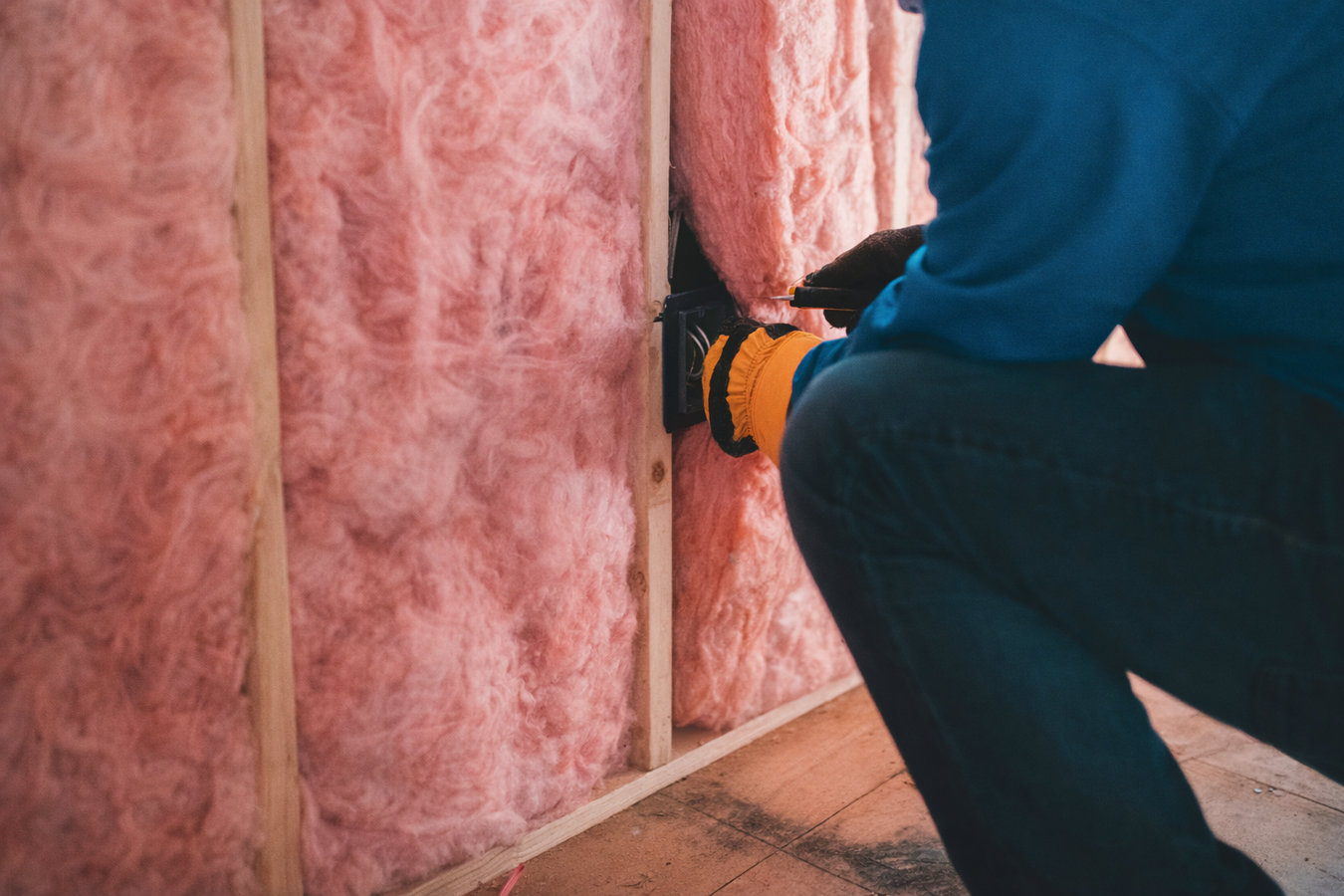
Most attic insulation jobs on existing Charleston homes use blown-in loose-fill material. It fills the irregular gaps and corners common in older attic floors far better than pre-cut batts that fit neatly in new construction but leave voids around older framing. We always seal air gaps - around light fixtures, plumbing penetrations, and the tops of interior walls - before any insulation goes in. Skipping that step is the most common reason homeowners are disappointed with the results. For attics with damaged or moisture-compromised material, we handle removal first. Blown-in insulation is the right choice for most existing attic floors in this area, and attic air sealing is what makes the insulation work as well as it should.
Federal tax credits are currently available for qualifying attic insulation upgrades through the ENERGY STAR federal tax credit program. Ask us about eligibility when you request your estimate - the savings can meaningfully reduce your out-of-pocket cost.
Loose-fill material blown into place with a hose. Fills gaps and corners in older attic floors thoroughly. Best choice for most existing homes. Can be installed over existing insulation in good condition.
Sealing gaps around light fixtures, plumbing pipes, and the tops of interior walls before insulation goes in. This step makes the insulation work - without it, conditioned air still escapes through the gaps.
If existing insulation has moisture damage, mold, or pest contamination, it needs to come out before new material goes in. Covering compromised insulation traps the problem and can affect air quality in your living space.
The attic hatch is a surprisingly common place where heat escapes. We insulate and weatherstrip the hatch as part of a complete job - not as an add-on charged separately.
Charleston sits in a climate that puts attic insulation to work year-round - not just in winter. The Kanawha Valley receives around 44 inches of rain per year, and that moisture, combined with high summer humidity, works its way into attic spaces where it can quietly damage insulation over time. A contractor who does not check for moisture before installing new material is setting you up for a repeat job within a few years. In Charleston, where pre-1980 housing is common in neighborhoods like Kanawha City and the West Side, moisture-compromised attic insulation is more the rule than the exception.
The hilly terrain also matters. Many Charleston homes were built on hillsides with irregular footprints that create attics with low clearance, multiple levels, or difficult access points. These conditions slow down installation and affect the final cost - and a contractor who gives you a firm quote without physically looking at your attic is guessing. Homeowners in communities like Morgantown and across the region share the same Appalachian housing characteristics that make an in-person assessment non-negotiable before pricing a job.
We ask a few questions - your home's age, any moisture or pest history, and what is prompting you to call. We respond within 1 business day. You should expect to schedule an in-home visit, not receive a quote over the phone.
Before quoting anything, the contractor physically inspects your attic. We check how much insulation is already there, whether it is in good condition, whether air gaps need to be sealed, and whether there are any moisture or ventilation concerns. A firm quote without this step is a red flag.
After the assessment you receive a written estimate that breaks out what is included - air sealing, removal if needed, the type and depth of new insulation, and the total cost. Ask what is not included. A clear itemized estimate shows the contractor is being straightforward.
Most jobs are completed in a single day. The crew works in the attic and does not require you to leave your home. There is no curing time - your home is fully usable immediately after the job. We walk you through the finished result and confirm the depth of coverage before we leave.
We respond within 1 business day. We come to your home, get into your attic, and give you a clear written quote with no obligation. No phone estimates - that is how guesses become surprises.
(304) 400-6869Our crews have spent years insulating attics in Charleston's older housing stock, and we document the materials and coverage on every job. You get the full scope in writing before we start, so the work is tied to a clear record you can hold us to - not just someone with a blower.
Charleston's humidity means attic moisture issues are more common here than in drier parts of the country. We inspect for moisture, mold, and ventilation problems before we install anything. Covering a moisture problem with new insulation makes it worse - that is not a step we skip.
Most contractors charge extra for air sealing or skip it entirely. We seal gaps around light fixtures, plumbing, and framing before the insulation goes in on every job - because that is where the biggest performance improvements come from in older homes.
The U.S. Department of Energy estimates that properly insulating and air sealing an attic cuts heating and cooling costs by 10 to 20 percent per year. In an older Charleston home that has never had the attic addressed, the savings often land at the higher end of that range because the starting point is so poor.
Charleston Insulation Company serves homeowners across Charleston and the surrounding region. Every attic job follows the same process: a physical inspection before quoting, air sealing before insulation, and a walkthrough with the homeowner when the work is done. The U.S. Department of Energy insulation guidelines inform the coverage depths we recommend for West Virginia's climate zone on every project. Any attic insulation company working in a humid climate like this should follow the same standards.
Blown-in loose-fill material covers irregular attic floors thoroughly - the most common upgrade for older Charleston homes with partial or settled insulation.
Learn moreSealing gaps around light fixtures, plumbing, and framing before adding insulation is where the biggest performance improvements come from in most older homes.
Learn moreCall now or submit a request online - we respond within 1 business day and the estimate is free with no obligation.