Old fiberglass batts leave gaps that bleed heat all winter. Open-cell spray foam seals every crack and keeps your Charleston home comfortable year-round.
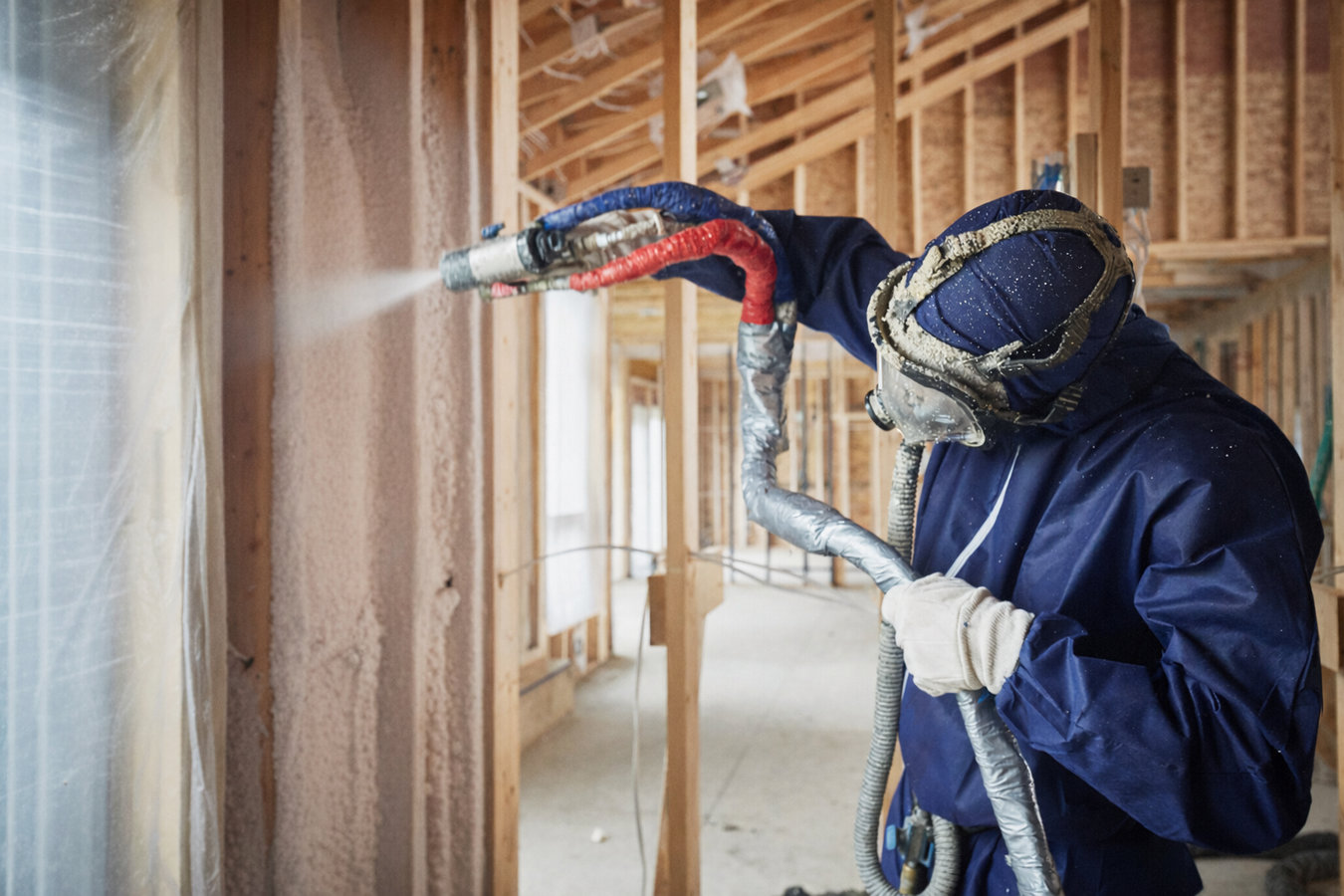
Open-cell foam insulation in Charleston seals air leaks in walls, attics, and rim joists while adding a continuous insulation layer - most jobs take one to two days and the improvement in comfort is noticeable within the first heating season.
Unlike fiberglass batts, open-cell spray foam bonds directly to the surface it touches. That means it fills the irregular gaps and hidden cracks that batts simply cannot reach, especially in Charleston homes built before the 1970s. If your gas bill climbs sharply every winter despite a steady thermostat setting, air leaks are almost certainly the cause.
Open-cell foam is also one of the best sound-absorbing insulation options available. Many homeowners who live near Charleston traffic corridors notice a real reduction in street noise after installation. If you are also dealing with moisture concerns under your home, pairing open-cell foam in the walls and attic with crawl space insulation below gives your whole house a tighter, more efficient building envelope.
If your gas or electric bill spikes from October through March and nothing else has changed, your home is losing heat through gaps in the insulation or air leaks in the walls and attic. Charleston winters are cold enough that small leaks add up to real money across a full season. This is one of the most common reasons local homeowners start looking into an insulation upgrade.
Hold your hand near an outlet on an exterior wall on a cold day. If you feel moving air, outside air is coming through the wall cavity. The same test works near baseboards and at the tops of interior walls. In older Charleston homes, these gaps are extremely common because original insulation was never designed to stop airflow, only to slow heat transfer.
Heat rises and escapes through the roof if the attic is not properly insulated and sealed. If your upstairs rooms are consistently colder in winter and hotter in summer than the rest of the house, the attic is usually the first place to investigate. This is especially common in Charleston two-story homes where original attic insulation has compressed or shifted over the decades.
Fiberglass batts compress and lose effectiveness over time, and they do nothing to stop air movement. If your home was insulated with batts before the early 2000s and you have not had an energy audit since, there is a good chance the insulation is underperforming. A contractor can assess the current condition and tell you whether adding open-cell foam on top makes financial sense for your home.
We install open-cell spray foam in attics, interior walls, and basement rim joists throughout the Charleston area. For most of these locations, open-cell foam outperforms batts because it expands into every corner and bonds to the surface, leaving no cold spots or air pathways. If you need a denser, moisture-blocking product for a crawl space or exposed foundation wall, commercial insulation work can incorporate closed-cell foam in those specific zones, while open-cell handles the rest of the home.
For homeowners comparing foam types side by side, spray foam insulation covers the full picture of both open-cell and closed-cell applications. We assess your home, recommend the right product for each location, and install everything to the thickness needed to meet West Virginia energy code requirements for your climate zone.
Best for homeowners with top-floor comfort problems or aging fiberglass batts that have compressed below effective R-values.
Ideal for older Charleston homes with uninsulated or under-insulated exterior walls where drafts are noticeable on cold days.
Suits homeowners with cold floors above an unheated basement or crawl space, where uninsulated rim joists let outside air straight into the floor system.
A good fit for interior walls between bedrooms or for homes near busy roads in Charleston where street noise is a daily irritation.
Charleston sits in IECC Climate Zone 5, which means your home has to manage genuinely cold winters and hot, humid summers. The Kanawha River valley also traps moisture, so the air here carries more humidity than many comparable Appalachian cities. That combination puts pressure on any insulation system, and it is why open-cell foam - which seals the air pathway first and then slows heat transfer - outperforms batts in this specific climate. A large share of Charleston homes were built before 1970, when air sealing was not part of standard construction practice, so the gaps are real and they are not small.
Homes on Charleston hillsides, including properties in South Hills and along the ridgelines above the Kanawha valley, also face more wind exposure than valley-floor properties, which increases heat loss through walls and roof assemblies. Homeowners in Charleston, WV and those in surrounding communities like Huntington, WV deal with similar housing stock and climate conditions, and open-cell foam addresses both the air leakage and the thermal performance gap that fiberglass batts leave behind. Ask any contractor for a free written estimate that spells out the material and coverage before signing anything.
Tell us what area of the house you want to address and what prompted the call. We respond to all Charleston inquiries within one business day and schedule an in-home visit before quoting anything.
A contractor walks through the areas you want insulated, checks what is already in place, and looks for moisture or ventilation issues that should be addressed first. This visit typically takes 30 to 60 minutes and comes at no charge.
You receive a written estimate showing the area to be covered, the foam thickness, and the total cost before any work is scheduled. We will also tell you exactly how long to plan to be out of the home during installation.
The crew arrives, protects adjacent surfaces, and sprays the foam in passes until the target thickness is reached. Most residential jobs take one to two days. You will receive a confirmed re-entry time - typically about 24 hours after spraying ends - and a walkthrough of the finished work before we leave.
Free estimate, no obligation. We respond to all Charleston inquiries within one business day.
(304) 400-6869Every project starts with a free written estimate and ends with documentation of the material and coverage we installed. You get a clear record of what was done and where, which gives you recourse if anything goes wrong.
A large portion of Charleston homes were built before air sealing was standard practice. We know where the gaps hide in older framing - around pipes, at top plates, and behind knee walls - and we address those spots, not just the obvious flat areas.
You see the full scope and total cost in writing before we schedule installation. No phone quotes, no vague estimates, no charges you did not agree to. If something unexpected comes up during the job, we stop and show you before proceeding.
We follow the Spray Polyurethane Foam Alliance best-practice standards for application thickness, ventilation, and re-entry timing. That means consistent results, not work that looks fine until the first cold snap.
Every job gets a walkthrough at the end so you can see exactly what was done. We want you to be able to confirm for yourself that every gap is covered and nothing was skipped.
Insulation solutions for Charleston offices, retail spaces, and industrial buildings that need to meet WV commercial energy code.
Learn moreA full overview of both open-cell and closed-cell spray foam options to help you choose the right product for each part of your home.
Learn moreCharleston winters arrive fast. Call or submit a request today and we will have you scheduled before the Kanawha Valley turns cold.