Old, wet, or pest-damaged insulation is costing you money every month. We remove it safely, clean up completely, and get your home ready for a fresh start.
Insulation removal in Charleston means a crew physically takes out the old material from your attic, crawl space, or walls - either by hand or with an industrial vacuum - then bags it and hauls it away so your home is ready for fresh material. Most standard attic jobs finish in one full day; crawl space work typically runs longer because the space is tighter and more physically demanding.
Insulation does not last forever. Over time it absorbs moisture, gets compressed by foot traffic, grows mold, or gets contaminated by rodents - all of which make it far less effective at keeping your home comfortable. If your energy bills have been climbing without explanation, or if your home has seen any water damage, there is a real chance the insulation has failed. Removing it is the only way to start fresh. Many homeowners pair this service with crawl space insulation immediately after removal, getting both jobs done in a single visit.
Once the old material is out, the space is inspected for air leaks, moisture damage, and pest entry points before new insulation goes in. Skipping that inspection step is one of the most common ways homeowners end up with the same problems all over again.
Most insulation problems are invisible until they show up on your energy bill or as a smell. Here are the warning signs to watch for.
If your heating or cooling bills have climbed noticeably without an obvious cause, your insulation may have degraded past the point of usefulness. Charleston winters are cold enough that even a moderate drop in insulation performance adds hundreds of dollars to annual heating costs. This is one of the most common reasons homeowners in the Kanawha Valley call for an inspection.
A roof leak, plumbing drip, or past flooding can saturate insulation over time. Wet insulation clumps together, loses its ability to hold heat, and creates the right conditions for mold to grow. If your home has had any water intrusion - even a minor one - it is worth having someone look at what is up there before the problem spreads.
Mice, squirrels, and other pests love to nest in attic insulation, and Charleston's older homes give them plenty of entry points. If you have heard scratching in the walls or ceiling, noticed droppings near the attic hatch, or detected a persistent musty or ammonia-like smell, the insulation has likely been contaminated. Pest-damaged insulation cannot be cleaned - it has to come out.
If you live in an older Charleston neighborhood and you are not sure what is in your attic or crawl space, that uncertainty alone is worth resolving. Insulation materials used before the mid-1980s can include substances that are now known to be harmful, and they may have been degrading quietly for decades. A quick inspection will tell you what you are dealing with.
We handle removal from attics, crawl spaces, and wall cavities throughout the Charleston area. Whether the issue is age, moisture, pests, or unknown materials in an older home, we come prepared with the right equipment and a clear plan. Attic work uses industrial vacuum equipment that keeps dust contained; crawl space removal is done by hand in sections and takes longer due to the tight quarters. After clearing the space, we pair removal with retrofit insulation when homeowners are ready to upgrade the same day.
For homes built before the mid-1980s, we include testing for hazardous materials before any work begins. If a problem is found, a certified crew handles it under the proper protocols - no cutting corners. Many of our customers in Kanawha City and South Hills have homes in that age range, and we take the pre-removal inspection seriously. After removal, the cleared space gets a thorough walkthrough for air leaks and moisture issues so new insulation goes in on a clean, safe surface.
Best for homes with loose-fill or batt insulation that has been damaged by moisture, pests, or age. Industrial vacuum equipment keeps the process clean and contained.
Suited for homes with tight or damp crawl spaces where old insulation has failed. Includes removal of deteriorated vapor barriers and debris.
For spaces where mold growth has spread into the insulation. The affected material comes out first, then the space is prepared for remediation and fresh installation.
Ideal before a remodel, roofline change, or new insulation upgrade. Removes existing material so the new installation starts on a clean surface.
Charleston sits in a river valley where summer humidity regularly climbs above 70 percent, and the area sees significant rainfall year-round. That moisture works its way into attics and crawl spaces, causing insulation to absorb water, lose its effectiveness, and eventually grow mold. If your home has had any water intrusion - including the flooding events that have affected parts of Kanawha County - there is a real chance your insulation has been compromised and needs to come out. A large share of Charleston's homes were also built before 1980, when certain insulation materials containing asbestos were still in common use. Before any removal work begins in an older home, testing is not optional - it protects both you and the crew and is the only responsible way to proceed. We put the full removal scope in writing before we start and document the materials we haul out, so you have a concrete record of who you are hiring and what was done before anyone opens an attic hatch.
We serve homeowners across the Charleston metro, including families in Huntington, WV and Beckley, WV who need the same safe, thorough approach. Whether your home is near the river in Kanawha City or up on a hillside in South Hills, failing insulation is a problem we see regularly and know how to handle correctly. For more on what the U.S. Environmental Protection Agency recommends about mold and moisture in homes, their guidance is a helpful starting point before calling a contractor.
No surprises. Here is exactly what to expect from first call to finished cleanup.
When you call, we ask a few basic questions - the age of your home, the type of space, and whether there has been any water or pest activity. We can usually schedule a walkthrough within a few days of your call.
We inspect the space in person, check for moisture and contamination, and collect a sample for asbestos testing if your home was built before the mid-1980s. You receive a written estimate before any work begins.
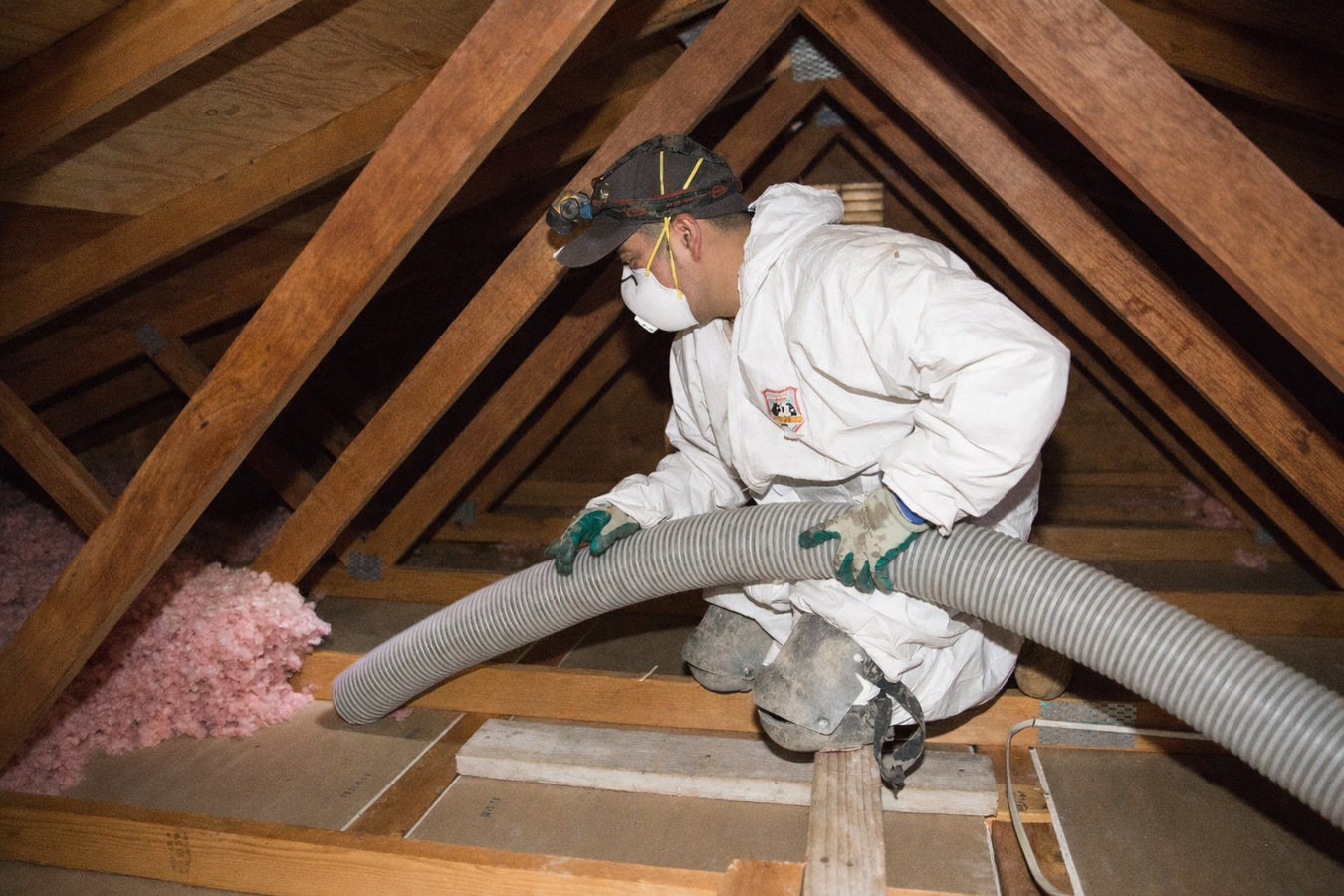
Our crew sets up protective coverings, runs the vacuum hose into the space, and works methodically from far end to hatch. All material is deposited into sealed bags outside your home. Expect noise - the equipment is loud - and plan for a full day.
Once the old material is out, we walk you through the empty space - or show you photos - and point out anything that needs attention. The area is left clean, all bags are hauled away, and we give you a clear plan for new insulation.
Experienced local crews. Written quote before work starts. Same-day haul-away. Reply within 1 business day.
(304) 400-6869Our crews have spent years clearing old insulation out of Charleston attics and crawl spaces, and we put the full scope in writing before we ever set foot in your home. Documented work means accountability, and that matters when someone is working in your attic or crawl space.
You receive a written estimate that breaks down the cost of removal, disposal, and any additional work like air sealing. No surprises when the job is done - every line item is explained before you approve it.
Charleston has a lot of pre-1980 homes, and we know how to handle them. We test before we touch, follow the proper protocols when hazardous material is found, and never skip that step to save time.
Every bag of removed material leaves your property the same day. Protective coverings go up before we start and come down before we leave. Your home looks the same as when we arrived - except the problem is gone.
West Virginia households spend more of their income on energy than most of the country, and failing insulation is one of the biggest contributors to high heating bills. Removing the old material correctly - and inspecting the space before new insulation goes in - is how we make sure the work we do actually holds up through Charleston winters and wet summers. You can also review the Insulation Contractors Association of America standards if you want a third-party benchmark for what quality removal looks like.
Still have questions? Call us at (304) 400-6869 or send a message. We reply within 1 business day.
After old material is cleared out, properly insulating the crawl space is the most effective next step for comfort and energy savings.
Learn moreRetrofit insulation adds fresh coverage to a cleaned-out space without major renovation - a cost-effective upgrade after removal.
Learn moreCharleston winters do not wait - get your home ready before the cold sets in and your heating bills climb.